
Gut Health Breakfast Recipes: 10 Easy Ways to Start Your Day
Your gut does so much more than digest food. It influences your mood, energy levels, immune system, and even how well you sleep. And what you eat first thing in the morning sets the tone for your digestive health all day long.
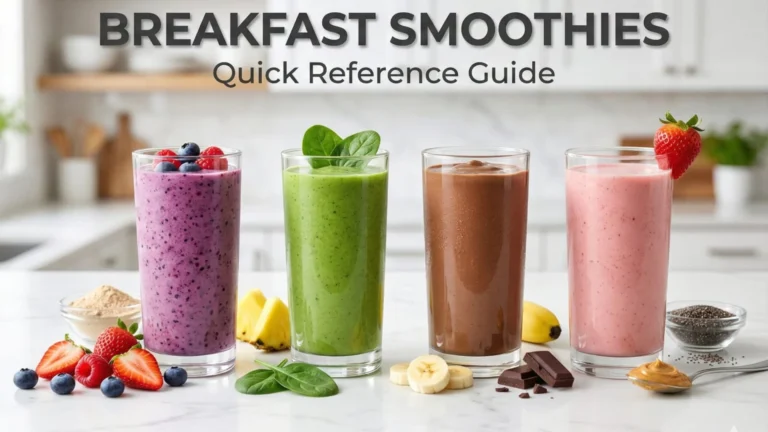
I learned this the hard way. For years, I’d skip breakfast or grab something quick and sugary. By noon, I was bloated and exhausted. My skin looked dull. I caught every cold that went around the office.
Then I started paying attention to my gut health. Within three weeks of eating gut health breakfast recipes consistently, my energy stabilized. My digestion improved. I actually felt good in the mornings instead of dragging myself through them.
These gut health breakfast recipes are packed with fiber, probiotics, and prebiotics—the three pillars of a happy gut. According to the Harvard T.H. Chan School of Public Health, a diverse microbiome is linked to better overall health, and breakfast is the perfect opportunity to feed those beneficial bacteria.
Whether you prefer something quick and grab-and-go or have time for a leisurely morning meal, these 10 gut health breakfast recipes will help you build a healthier gut one breakfast at a time.
What Makes a Breakfast Good for Gut Health?
Before we dive into the gut health breakfast recipes, here’s a quick breakdown of what your gut actually needs:
Probiotics are live beneficial bacteria found in fermented foods like yogurt, kefir, and sauerkraut. They add good bacteria directly to your gut.
Prebiotics are types of fiber that feed your existing good bacteria. Think bananas, oats, garlic, onions, and asparagus.
Fiber keeps everything moving and helps your gut bacteria produce short-chain fatty acids that reduce inflammation and strengthen your gut lining.
The best gut health breakfast recipes combine all three. According to the American Journal of Clinical Nutrition, dietary fiber and fermented foods work synergistically to support gut health.
Now let’s get cooking.
10 Best Gut Health Breakfast Recipes
1. Greek Yogurt Parfait with Berries and Granola

Total Time: 5 minutes | Servings: 1
Calories: 385 | Protein: 24g | Fiber: 8g
This classic parfait delivers probiotics from yogurt and prebiotics from the berries and oats. It’s simple, satisfying, and endlessly customizable.
I make this every single Monday morning. It’s my reset breakfast after the weekend. Something about starting the week with berries and yogurt makes me feel like I have my life together.
Ingredients:
- 1 cup plain Greek yogurt (look for “live active cultures”)
- 1/2 cup mixed berries (blueberries, raspberries, strawberries)
- 1/4 cup low-sugar granola
- 1 tablespoon honey or maple syrup
- 1 tablespoon chia seeds
- 1 tablespoon sliced almonds
How to Make It:
- Spoon half the yogurt into a glass or bowl.
- Add half the berries and a sprinkle of granola.
- Repeat layers with remaining yogurt, berries, and granola.
- Drizzle with honey, then top with chia seeds and almonds.
Storage: Best eaten fresh, but you can prep the yogurt and berries the night before. Add granola right before eating.
Pro Tip: I used to buy flavored yogurt because I thought plain was too boring. Big mistake. Flavored yogurt has 15-20g of added sugar. Now I buy plain and add my own honey—way less sugar, and I control the sweetness. Your gut bacteria prefer it this way too. They feast on natural sugars from fruit, not processed sugar.
Looking for more balanced breakfast ideas? Check our high fiber breakfast recipes.
2. Kefir Berry Smoothie Bowl

Total Time: 5 minutes | Servings: 1
Calories: 425 | Protein: 18g | Fiber: 9g
Kefir contains up to 61 different strains of bacteria and yeasts—far more than regular yogurt. Blended into a thick smoothie bowl, it becomes a probiotic powerhouse for your gut health breakfast recipes collection.
Ingredients:
- 1 cup plain kefir
- 1 cup frozen mixed berries
- 1 frozen banana
- 1 tablespoon almond butter
Toppings:
- 2 tablespoons granola
- 1 tablespoon hemp seeds
- Fresh berries
- 1 tablespoon shredded coconut
- Drizzle of honey
How to Make It:
- Add kefir, frozen berries, banana, and almond butter to a blender.
- Blend until thick and creamy—thicker than a regular smoothie.
- Pour into a bowl and add toppings in rows.
- Eat immediately with a spoon.
Storage: Best eaten fresh.
Pro Tip: My first kefir experience was terrible. I bought plain kefir, took a big gulp straight from the bottle, and almost spit it out. It’s tangy and sour—nothing like yogurt. I gave up for months. Then I tried blending it with frozen fruit. Game changer. The fruit sweetness balances the tang perfectly. Now I drink it daily and actually crave it. Start with frozen banana—it’s the sweetest fruit and masks the sour taste best.
3. Overnight Oats with Banana and Walnuts

Total Time: 5 minutes + overnight | Servings: 1
Calories: 445 | Protein: 18g | Fiber: 10g
Oats are one of the best prebiotic foods you can eat. They contain beta-glucan, a type of fiber that feeds beneficial gut bacteria. Making them overnight means zero morning effort—perfect for easy gut health breakfast recipes.
Ingredients:
- 1/2 cup rolled oats
- 1/2 cup plain Greek yogurt
- 1/2 cup milk of choice
- 1 tablespoon chia seeds
- 1 tablespoon maple syrup
- 1/2 teaspoon cinnamon
- 1 banana, sliced
- 2 tablespoons walnuts, chopped
How to Make It:
- Combine oats, yogurt, milk, chia seeds, maple syrup, and cinnamon in a jar.
- Stir well, cover, and refrigerate overnight (or at least 4 hours).
- In the morning, top with banana slices and walnuts.
- Eat cold or microwave for 1-2 minutes if you prefer warm oats.
Storage: 3-4 days refrigerated. Add fresh banana and walnuts daily.
Pro Tip: I prep five jars every Sunday night while watching TV. Takes maybe 15 minutes total. Here’s what I learned the hard way: don’t add the banana until you’re ready to eat. I added sliced banana to all five jars once. By Wednesday, the bananas were brown mush. Now I slice a fresh banana each morning. Takes 10 seconds. Looks and tastes infinitely better.
For more meal prep inspiration, visit our low calorie high protein meals guide.
4. Savory Probiotic Breakfast Bowl

Total Time: 20 minutes | Servings: 1
Calories: 485 | Protein: 20g | Fiber: 7g
Not a fan of sweet breakfasts? This savory bowl features sauerkraut—one of the best probiotic foods you can eat. The combination of tangy kraut, creamy avocado, and runny eggs is surprisingly addictive for gut health breakfast recipes lovers.
Research from the Journal of Applied Microbiology shows that fermented vegetables like sauerkraut deliver beneficial Lactobacillus bacteria that survive stomach acid and colonize the gut.
Ingredients:
- 2 eggs
- 1/2 avocado, sliced
- 1/4 cup raw sauerkraut (unpasteurized)
- 1 cup baby spinach
- 1/2 cup cooked quinoa
- 1 tablespoon olive oil
- 1 tablespoon pumpkin seeds
- Salt, pepper, and red pepper flakes
How to Make It:
- Heat olive oil in a pan over medium heat. Fry eggs to your preference.
- Arrange quinoa in a bowl. Top with spinach, avocado, and sauerkraut.
- Place fried eggs on top.
- Sprinkle with pumpkin seeds, salt, pepper, and red pepper flakes.
Storage: Prep quinoa ahead. Assemble fresh each morning.
Pro Tip: I bought pasteurized sauerkraut from the regular grocery aisle for two months before I realized pasteurization kills all the probiotics. Zero gut benefits. Total waste. You need raw, unpasteurized sauerkraut from the refrigerated section. Yes, it costs more. Yes, it’s worth it. The label will say “raw” or “unpasteurized” and list “live cultures.” If it’s shelf-stable in a jar, it’s dead bacteria. Don’t bother.
5. Apple Cinnamon Baked Oatmeal

Total Time: 45 minutes | Servings: 6
Calories: 320 | Protein: 9g | Fiber: 6g
This make-ahead baked oatmeal is perfect for busy mornings. Apples provide pectin, a prebiotic fiber that supports healthy digestion—making this one of the most convenient gut health breakfast recipes for meal prep.
Ingredients:
- 2 cups rolled oats
- 2 apples, diced
- 1/3 cup maple syrup
- 2 cups milk of choice
- 2 eggs
- 1/4 cup melted coconut oil
- 2 teaspoons cinnamon
- 1 teaspoon vanilla extract
- 1/2 teaspoon baking powder
- 1/4 teaspoon salt
- 1/4 cup walnuts, chopped
How to Make It:
- Preheat oven to 350°F. Grease an 8×8 baking dish.
- Whisk together milk, eggs, maple syrup, coconut oil, cinnamon, vanilla, baking powder, and salt.
- Add oats and diced apples. Stir to combine.
- Pour into prepared baking dish. Top with walnuts.
- Bake 35-40 minutes until set and golden on top.
- Let cool slightly before slicing into 6 portions.
Storage: 5 days refrigerated. Reheat individual portions in microwave for 60-90 seconds.
Pro Tip: The first time I made this, I followed the recipe exactly but used instant oats instead of rolled oats because that’s what I had. It came out like mushy baby food. Instant oats are too processed—they disintegrate when baked. Rolled oats (old-fashioned oats) hold their shape and give you that chewy texture. I went back to the store specifically to buy rolled oats. Made it again. Perfect. The type of oat actually matters here.
More make-ahead ideas in our high protein meal prep collection.
6. Chia Pudding with Mango

Total Time: 5 minutes + overnight | Servings: 2
Calories: 295 | Protein: 10g | Fiber: 12g
Chia seeds are tiny fiber bombs—just 2 tablespoons contain 10 grams of fiber. They form a pudding-like texture overnight that’s creamy, satisfying, and incredibly gut-friendly.
Ingredients:
- 1/4 cup chia seeds
- 1 cup coconut milk (from carton, not can)
- 1/2 cup plain Greek yogurt
- 1 tablespoon honey
- 1/2 teaspoon vanilla extract
- 1 cup fresh mango, diced
- 2 tablespoons shredded coconut
How to Make It:
- Whisk together chia seeds, coconut milk, yogurt, honey, and vanilla.
- Divide between two jars or containers.
- Refrigerate at least 4 hours or overnight, stirring once after 30 minutes.
- Top with mango and coconut before serving.
Storage: 4-5 days refrigerated without toppings. Add fresh fruit daily.
Pro Tip: I forgot to stir my chia pudding after 30 minutes the first three times I made it. I’d open the jar in the morning and find a giant glob of chia gel at the bottom with liquid on top. Disgusting. Now I set a timer on my phone for 30 minutes after mixing. Quick stir takes 10 seconds. Perfect consistency every time. The chia seeds need that mid-soak stir to distribute evenly, or they clump together like frog eggs.
7. Whole Grain Toast with Avocado and Sauerkraut

Total Time: 5 minutes | Servings: 1
Calories: 445 | Protein: 12g | Fiber: 9g
Avocado toast gets a gut health upgrade with the addition of raw sauerkraut. The creamy avocado balances the tanginess perfectly, and you get both probiotics and fiber in one simple dish—one of the fastest gut health breakfast recipes you can make.
According to the International Journal of Food Microbiology, fermented cabbage products contain Lactobacillus plantarum strains that improve intestinal barrier function.
Ingredients:
- 2 slices whole grain sourdough bread
- 1 ripe avocado
- 1/4 cup raw sauerkraut
- 1 tablespoon olive oil
- 1 tablespoon hemp seeds
- Squeeze of lemon juice
- Red pepper flakes
- Flaky sea salt
How to Make It:
- Toast the sourdough until golden and crispy.
- Mash avocado with lemon juice and a pinch of salt.
- Spread avocado on toast. Top with sauerkraut.
- Drizzle with olive oil, sprinkle with hemp seeds, red pepper flakes, and flaky salt.
Storage: Best eaten fresh.
Pro Tip: My roommate walked in while I was making this and said “You’re putting sauerkraut on avocado toast? That’s weird.” I almost didn’t try it because she made me second-guess myself. But I did. And it’s phenomenal. The sour, tangy kraut cuts through the rich, creamy avocado perfectly. It’s like how pickles work on a burger—the acid balances the fat. Now my roommate makes it too and admits she was wrong. Don’t skip the sauerkraut just because it sounds unusual.
8. Banana Peanut Butter Smoothie

Total Time: 5 minutes | Servings: 1
Calories: 420 | Protein: 20g | Fiber: 7g
This creamy smoothie combines prebiotic bananas with probiotic kefir for a one-two gut health punch. It’s filling enough to keep you satisfied until lunch—one of the most convenient gut health breakfast recipes for busy mornings.
Ingredients:
- 1 large banana (slightly green for more prebiotics)
- 1 cup plain kefir
- 2 tablespoons natural peanut butter
- 1 tablespoon ground flaxseed
- 1/2 teaspoon cinnamon
- 1 cup ice
- Honey to taste (optional)
How to Make It:
- Add all ingredients to a blender.
- Blend until smooth and creamy.
- Pour into a glass and enjoy immediately.
Storage: Best consumed immediately.
Pro Tip: Use a slightly green banana, not a fully ripe yellow one. I learned this from a nutritionist friend. Green bananas have resistant starch—a type of prebiotic fiber that feeds good gut bacteria. Yellow bananas have more sugar and less resistant starch. The difference is subtle in taste but significant for your gut. I buy bananas when they’re still green and use them within 2-3 days while they’re still slightly firm.
Find more quick options in our blood sugar balancing breakfast recipes.
9. Vegetable Frittata with Asparagus

Total Time: 35 minutes | Servings: 4
Calories: 265 | Protein: 16g | Fiber: 4g
Asparagus is one of the best prebiotic vegetables you can eat. Combined with onions (another prebiotic) and fiber-rich vegetables, this frittata is a gut health superstar—perfect for gut health breakfast recipes meal prep.
Ingredients:
- 8 eggs
- 1/4 cup milk
- 1 bunch asparagus, trimmed and cut into 1-inch pieces
- 1 cup cherry tomatoes, halved
- 1/2 onion, diced
- 2 cloves garlic, minced
- 1/2 cup feta cheese, crumbled
- 2 tablespoons olive oil
- 1 teaspoon dried oregano
- Salt and pepper
- Fresh basil
How to Make It:
- Preheat oven to 375°F.
- Whisk eggs with milk, salt, pepper, and oregano.
- Heat olive oil in an oven-safe skillet over medium heat. Sauté onion and garlic for 3 minutes.
- Add asparagus and cook 3-4 minutes until bright green and slightly tender.
- Add tomatoes, then pour egg mixture over vegetables. Sprinkle with feta.
- Cook on stovetop 2 minutes until edges begin to set.
- Transfer to oven and bake 15-18 minutes until center is set.
- Let cool 5 minutes before slicing. Garnish with fresh basil.
Storage: 4 days refrigerated. Reheat or enjoy cold.
Pro Tip: I used to cook the asparagus until it was super soft because I thought that meant it was “done.” Wrong. Mushy asparagus in eggs is unappetizing. Cook it just until it turns bright green and loses its raw crunch—about 3-4 minutes. It continues cooking in the oven with the eggs. Now my asparagus comes out perfectly tender-crisp instead of limp and soggy. Timing matters.
More savory breakfast ideas in our cheap healthy meals collection.
10. Warm Quinoa Breakfast Bowl

Total Time: 20 minutes | Servings: 2
Calories: 385 | Protein: 14g | Fiber: 8g
Think of this as oatmeal’s more sophisticated cousin. Quinoa provides complete protein and prebiotic fiber, making it an excellent base for gut health breakfast recipes.
The USDA Food Safety Guidelines recommend that cooked grains can be safely stored for 3-4 days, making this perfect for meal prep.
Ingredients:
- 1 cup quinoa, rinsed
- 2 cups milk of choice
- 1 tablespoon maple syrup
- 1 teaspoon cinnamon
- 1/2 teaspoon vanilla extract
- Pinch of salt
Toppings:
- Fresh berries
- Sliced almonds
- Drizzle of almond butter
- Extra maple syrup
- Hemp seeds
How to Make It:
- Combine quinoa and milk in a saucepan. Bring to a boil.
- Reduce heat to low, cover, and simmer 15 minutes until quinoa is fluffy and milk is absorbed.
- Stir in maple syrup, cinnamon, vanilla, and salt.
- Divide between two bowls and add desired toppings.
Storage: Cooked quinoa lasts 5 days refrigerated. Reheat with splash of milk.
Pro Tip: I burned quinoa twice before I figured out the trick. I’d put it on low heat and walk away to get ready for work. Come back to find it stuck to the bottom of the pan, smoking. The problem? I wasn’t watching when it finished absorbing the liquid. Now I set a timer for 12 minutes, then check every minute after that. Once the liquid is absorbed, remove it from heat immediately. Don’t leave it sitting on the burner even on low heat, or it burns.
The Science Behind Gut Health Breakfast Recipes
Understanding why these foods work helps you make better choices even when improvising your gut health breakfast recipes.
How Probiotics Work
When you eat probiotic-rich foods like yogurt, kefir, or sauerkraut, you’re introducing live beneficial bacteria into your digestive system. These bacteria:
- Help break down food and absorb nutrients
- Produce vitamins like B12 and K2
- Crowd out harmful bacteria
- Support immune function
- Produce neurotransmitters that affect mood
For probiotics to be effective, they need to survive the journey through your stomach acid. This is why eating them with food (especially breakfast) can help protect them.
How Prebiotics Work
Prebiotics are types of fiber that humans can’t digest—but your gut bacteria can. When beneficial bacteria ferment these fibers, they produce short-chain fatty acids (SCFAs) like butyrate, acetate, and propionate.
According to the National Institutes of Health, these SCFAs:
- Reduce inflammation in the gut
- Strengthen the intestinal barrier
- Regulate blood sugar
- Signal fullness to your brain
- May even help prevent colon cancer
The best prebiotic foods for gut health breakfast recipes include bananas, oats, apples, asparagus, onions, and garlic.
The Gut-Brain Connection
Your gut and brain communicate constantly through the vagus nerve, hormones, and neurotransmitters. In fact, about 95% of your body’s serotonin is produced in the gut.
Starting your day with gut health breakfast recipes can positively impact:
- Mood and emotional regulation
- Stress response
- Mental clarity and focus
- Sleep quality
This is why many people report feeling more energetic and clear-headed after improving their gut health through diet.
Gut Health Breakfast Meal Prep Ideas
Planning ahead makes eating gut health breakfast recipes much easier. Here are some meal prep strategies:
Sunday Prep Session (30-45 minutes)
Make overnight oats – Prepare 4-5 jars for the week. They keep perfectly in the refrigerator and actually taste better after a day or two.
Bake a frittata or baked oatmeal – Slice into portions for quick reheating throughout the week.
Prep smoothie packs – Portion frozen fruit into freezer bags. In the morning, just dump into the blender with kefir.
Cook quinoa in bulk – Store cooked grains in the refrigerator for 5 days. Reheat with milk for a quick breakfast bowl.
Freezer-Friendly Options
Several gut health breakfast recipes freeze beautifully:
- Baked oatmeal squares
- Frittata slices (wrap individually)
- Cooked quinoa (portion into containers)
Grab-and-Go Options
For mornings when you have zero time:
- Pre-made overnight oats in a jar
- Kefir bottle + banana + handful of nuts
- Greek yogurt cup + granola stored separately
Having healthy options ready prevents the temptation to skip breakfast or grab something processed.
Best Gut Health Ingredients to Stock
Keep these ingredients on hand for easy gut health breakfast recipes:
Probiotic Foods:
- Plain Greek yogurt (with live cultures)
- Kefir (dairy or coconut-based)
- Raw sauerkraut (refrigerated section)
Prebiotic Foods:
- Bananas (especially slightly green)
- Rolled oats and steel-cut oats
- Apples
- Onions and garlic
- Asparagus
High-Fiber Add-Ins:
- Chia seeds
- Ground flaxseed
- Hemp seeds
- Berries (fresh or frozen)
- Whole grain bread
Healthy Fats:
- Avocados
- Nuts (almonds, walnuts)
- Nut butters
- Extra virgin olive oil
Having these staples means you can always throw together gut health breakfast recipes, even when you haven’t planned ahead.
Common Questions About Gut Health Breakfast Recipes
What is the best breakfast for gut health?
The best gut health breakfast recipes combine probiotics (like yogurt or kefir), prebiotics (like bananas or oats), and fiber (like chia seeds or whole grains). A Greek yogurt parfait with berries and granola or overnight oats with kefir are excellent choices that provide all three components.
Are eggs good for gut health?
Yes, eggs are great for gut health. They’re easy to digest, high in protein, and contain choline which supports the gut-brain connection. Pair eggs with prebiotic-rich vegetables like onions, garlic, or asparagus in your gut health breakfast recipes for maximum benefits.
Is oatmeal good for gut health?
Oatmeal is excellent for gut health. Oats contain beta-glucan, a prebiotic fiber that feeds beneficial gut bacteria and produces short-chain fatty acids. These fatty acids reduce inflammation and strengthen the gut lining. Choose rolled or steel-cut oats over instant for more fiber.
How long does it take to improve gut health through diet?
Most people notice improvements in digestion within 2-4 weeks of consistently eating gut health breakfast recipes. However, significant changes to the microbiome can take 2-3 months. Consistency is key—eating probiotic and prebiotic foods daily produces better results than occasional consumption.
What should I drink first thing in the morning for gut health?
A glass of plain water helps rehydrate your digestive system. Kefir is an excellent probiotic-rich option for gut health breakfast recipes. Some people find warm water with lemon helpful for digestion. Avoid sugary drinks or excessive caffeine on an empty stomach.
Can I eat the same gut-healthy breakfast every day?
While you can eat the same breakfast daily, variety is better for gut health. Different prebiotic fibers feed different beneficial bacteria. Aim to eat 30 different plant foods per week for optimal microbiome diversity. Rotating your gut health breakfast recipes helps achieve this goal.
What are the signs of an unhealthy gut?
Common signs include bloating, gas, constipation or diarrhea, food intolerances, fatigue, skin issues, and frequent illness. If you experience persistent digestive issues, consult a healthcare provider. Starting your day with gut health breakfast recipes can help address mild symptoms.
More Healthy Breakfast Resources
If you enjoyed these gut health breakfast recipes, check out:
➡️ High Fiber Breakfast Recipes
➡️ Blood Sugar Balancing Breakfast Recipes
➡️ Low Calorie High Protein Meals
➡️ High Protein Meal Prep
➡️ Cheap Healthy Meals
Visit EasyHealthEats.com for more gut health breakfast recipes and nutrition tips!
The Bottom Line
Taking care of your gut doesn’t require complicated recipes or expensive supplements. These 10 gut health breakfast recipes use simple, affordable ingredients to deliver the probiotics, prebiotics, and fiber your microbiome needs to thrive.
Start with one or two recipes that appeal to you. Maybe it’s the creamy kefir smoothie bowl or the savory frittata with asparagus. Once those become routine, add more variety. Your gut bacteria thrive on diversity, so rotating through different gut health breakfast recipes benefits your microbiome.
The key is consistency. Eating one probiotic-rich breakfast won’t transform your gut health overnight, but making it a daily habit will. Within a few weeks, you may notice better digestion, more energy, and improved overall well-being.
Your gut does so much for you—it’s time to return the favor.