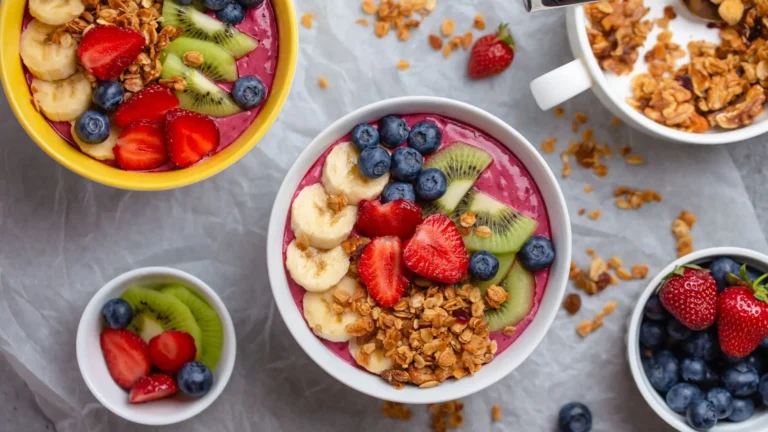

High protein breakfast no eggs saved my mornings.
And my stomach.
I developed an egg intolerance at 28. Out of nowhere. One morning, eggs made me sick. The next morning, same thing. By the third morning, I knew.
No more eggs.
This was devastating. I ate eggs every single morning. Scrambled eggs. Omelets. Egg sandwiches. Eggs were my protein source. My quick breakfast. My entire morning routine.
Without eggs, I didn’t know what to eat. I tried cereal. Was hungry by 9am. Tried oatmeal with just fruit. Hungry by 10am. Tried toast. Hungry by 8:30am.
I was starving all morning. Snacking constantly. Gaining weight. Hating breakfast.
Then my nutritionist gave me a list of high protein breakfast no eggs options. I thought she was crazy. How could breakfast have protein without eggs?
Turns out, there are dozens of ways.
These 15 high protein breakfast no eggs recipes became my new rotation. Each has 20g+ protein. Each keeps me full until lunch. Each one tastes incredible.
I stopped missing eggs. Stopped being hungry all morning. Actually enjoy breakfast variety now.
Let me show you these high protein breakfast no eggs ideas that saved my mornings.
15 Best High Protein Breakfast No Eggs Recipes
Breakfast 1: Greek Yogurt Power Bowl
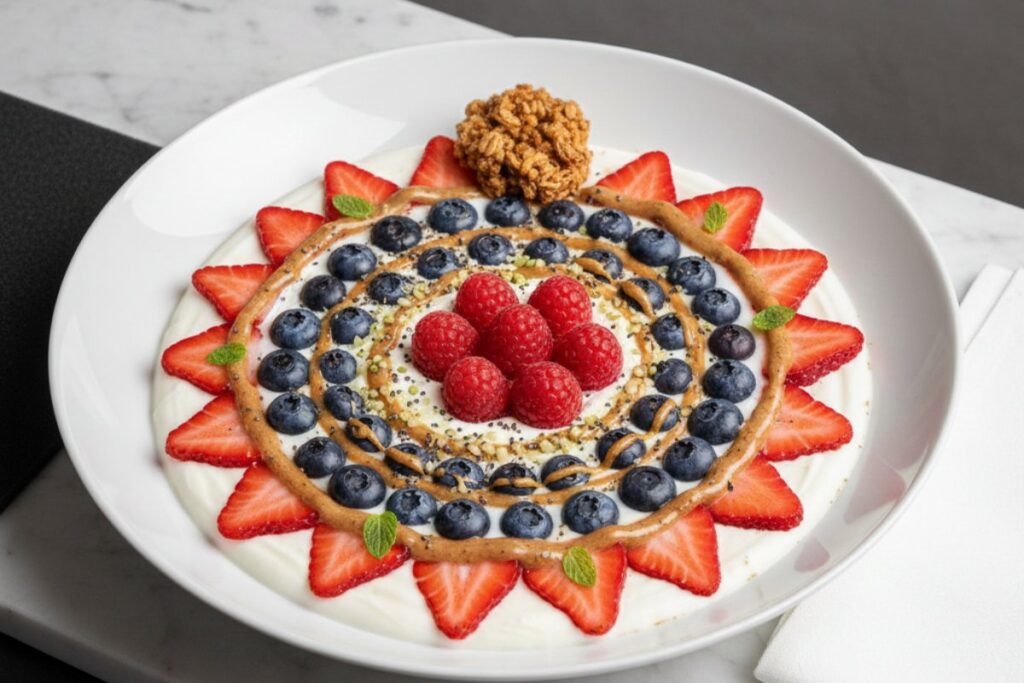
⏱️ Total Time: 5 min | 🔥 Calories: 320 | 💪 Protein: 32g
The breakfast that replaced my scrambled eggs.
Ingredients:
- 1½ cups plain nonfat Greek yogurt
- ½ cup fresh berries
- 2 tbsp granola
- 1 tbsp almond butter
- 1 tbsp chia seeds
- 1 tbsp hemp hearts
- Drizzle of honey
- Cinnamon
Instructions:
Scoop Greek yogurt into bowl.
Top with berries, granola, almond butter drizzle, chia seeds, hemp hearts.
Drizzle honey. Sprinkle cinnamon.
Eat immediately.
Why This Works:
Greek yogurt provides 25g+ protein on its own. Research in the Journal of the American College of Nutrition shows that high-protein Greek yogurt breakfasts improve appetite control and reduce subsequent food intake compared to lower-protein breakfast options.
The chia seeds and hemp hearts add extra protein plus healthy fats. This is one of the most powerful high protein breakfast no eggs options.
My Experience:
This was the first breakfast I tried after giving up eggs. I was skeptical. How could yogurt replace scrambled eggs?
It did. The thick Greek yogurt is satisfying. The toppings add texture. The protein keeps me full.
I’ve eaten this hundreds of times now. Still love it. Sometimes I even prefer it to my old egg breakfasts.
For more protein breakfast ideas, check high protein breakfast.
Breakfast 2: Cottage Cheese Protein Bowl
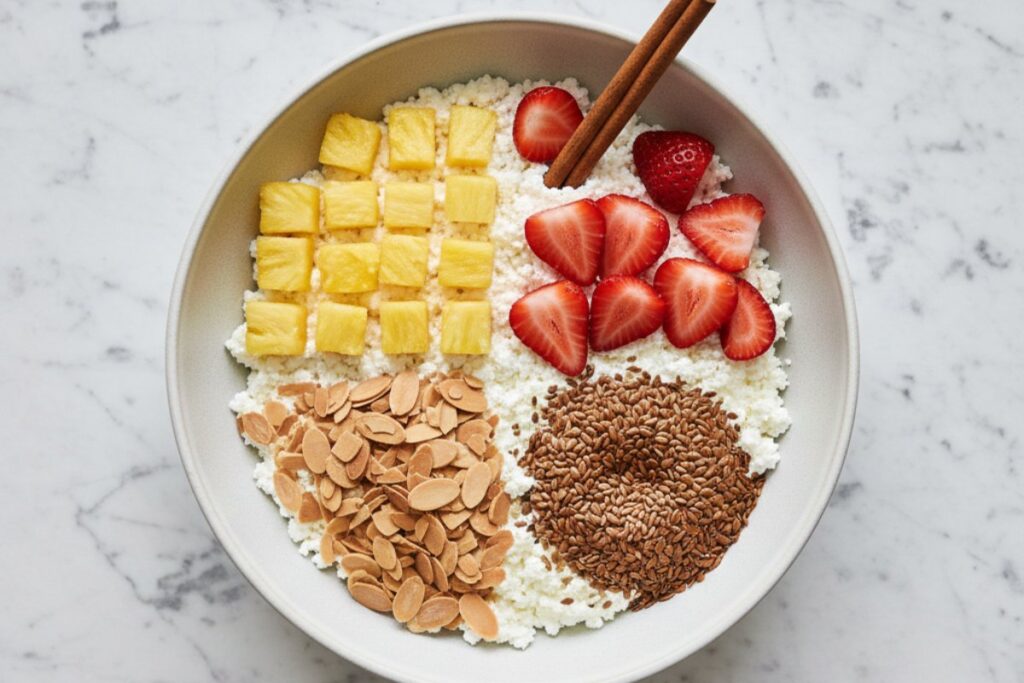
⏱️ Total Time: 3 min | 🔥 Calories: 285 | 💪 Protein: 35g
The highest protein breakfast without eggs.
Ingredients:
- 1½ cups low-fat cottage cheese
- ½ cup fresh pineapple chunks
- ¼ cup sliced strawberries
- 2 tbsp sliced almonds
- 1 tbsp ground flaxseed
- Cinnamon
Instructions:
Scoop cottage cheese into bowl.
Top with pineapple, strawberries, almonds, flaxseed.
Sprinkle cinnamon.
My Experience:
When I discovered cottage cheese had 35g of protein per serving, I couldn’t believe it. More protein than eggs. No cooking required.
The first time I tried it, I was surprised. It’s creamy. The fruit makes it sweet. The nuts add crunch.
Now it’s my go-to when I need maximum protein without eggs. Perfect for these high protein breakfast no eggs days.
For more cottage cheese ideas, see cottage cheese recipes high protein.
Breakfast 3: Protein Smoothie Bowl
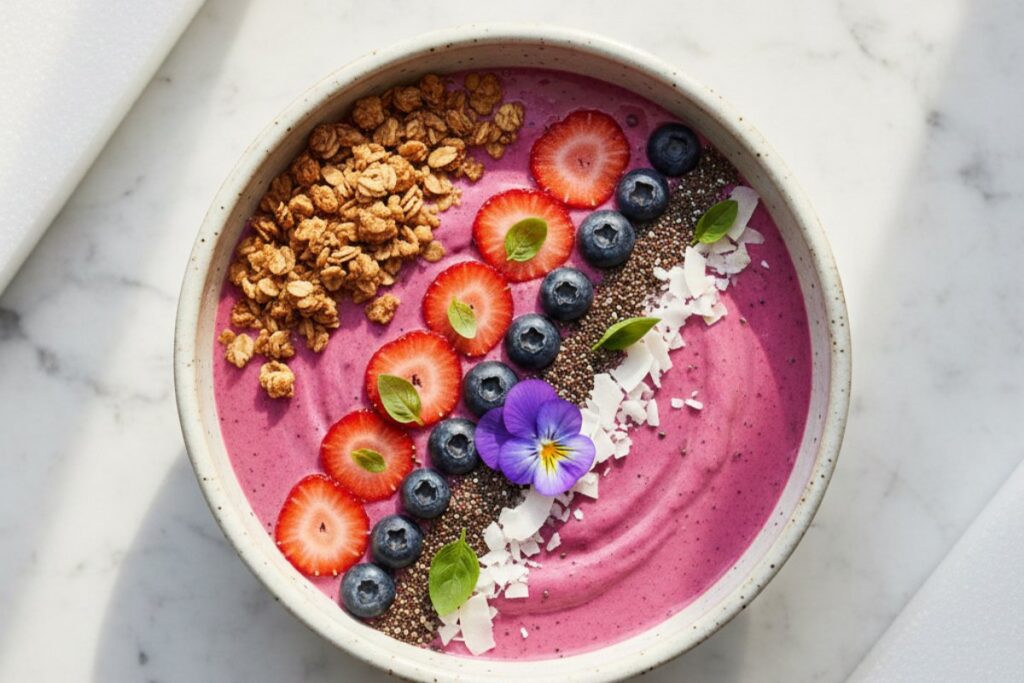
⏱️ Total Time: 8 min | 🔥 Calories: 340 | 💪 Protein: 30g
A smoothie you eat with a spoon.
Ingredients:
For base:
- 1 scoop vanilla protein powder (20-25g protein)
- ½ cup plain Greek yogurt
- ½ frozen banana
- ½ cup frozen berries
- ½ cup unsweetened almond milk
- Handful of spinach
Toppings:
- Fresh berries
- 1 tbsp granola
- 1 tbsp chia seeds
- 1 tbsp coconut flakes
Instructions:
Blend protein powder, Greek yogurt, frozen banana, frozen berries, almond milk, and spinach until very thick (less liquid than regular smoothie).
Pour into bowl.
Top with fresh berries, granola, chia seeds, coconut flakes.
Eat with spoon.
Why Smoothie Bowls Work:
The thick texture makes it more satisfying than drinking a smoothie. Eating with a spoon slows you down. You feel fuller.
Perfect for high protein breakfast no eggs when you want something cold and refreshing.
My Experience:
I make this on hot summer mornings. When I want something cool. When the idea of hot food doesn’t appeal.
The protein powder and Greek yogurt combine for 30g protein. Keeps me full for hours. Tastes like ice cream for breakfast.
For more smoothie ideas, check protein smoothie recipes and healthy smoothie bowl recipes.
Breakfast 4: Protein Oatmeal
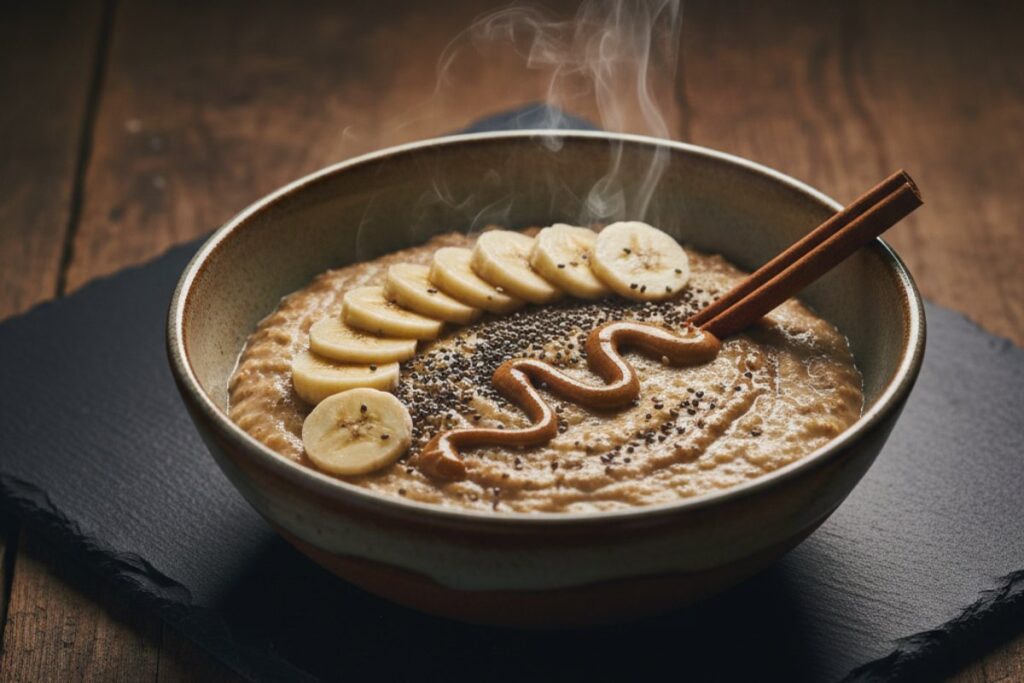
⏱️ Total Time: 10 min | 🔥 Calories: 380 | 💪 Protein: 25g
Oatmeal that actually keeps you full.
Ingredients:
- ½ cup rolled oats
- 1 cup water or milk
- 1 scoop vanilla protein powder
- 1 tbsp almond butter
- ½ banana, sliced
- 1 tbsp chia seeds
- Cinnamon
- Pinch of salt
Instructions:
Bring water or milk to boil in small pot.
Add oats and salt. Reduce to simmer. Cook 5 minutes.
Remove from heat. Let cool 2 minutes.
Stir in protein powder (if you add it while too hot, it can clump).
Top with almond butter, banana slices, chia seeds, cinnamon.
Why Protein Matters in Oatmeal:
Regular oatmeal only has 5g protein. You’ll be hungry quickly. Adding protein powder brings it to 25g. Completely different breakfast.
These high protein breakfast no eggs recipes prove that small additions make huge differences.
My Experience:
Regular oatmeal never kept me full. I’d eat it, be hungry 90 minutes later, wonder why I bothered.
Adding protein powder changed everything. Same comforting oatmeal. But now it keeps me full until lunch.
Breakfast 5: Tuna Avocado Toast

⏱️ Total Time: 8 min | 🔥 Calories: 345 | 💪 Protein: 28g
Savory breakfast that breaks the rules.
Ingredients:
- 2 slices whole grain bread
- 1 can (5 oz) tuna in water, drained
- ½ avocado, mashed
- Lemon juice
- Salt, pepper, garlic powder
- Cherry tomatoes
- Everything bagel seasoning
Instructions:
Toast bread until golden.
Mix drained tuna with lemon juice, salt, pepper, garlic powder.
Spread mashed avocado on toast.
Top with tuna mixture.
Add sliced cherry tomatoes. Sprinkle everything bagel seasoning.
My Experience:
I was desperate for savory breakfast. Tired of sweet options. This saved me.
The tuna provides huge protein. The avocado adds healthy fats. Together they’re incredibly satisfying.
People think I’m weird eating tuna for breakfast. But these high protein breakfast no eggs options work.
For more tuna recipes, see tuna avocado salad no mayo.
Breakfast 6: Protein Pancakes
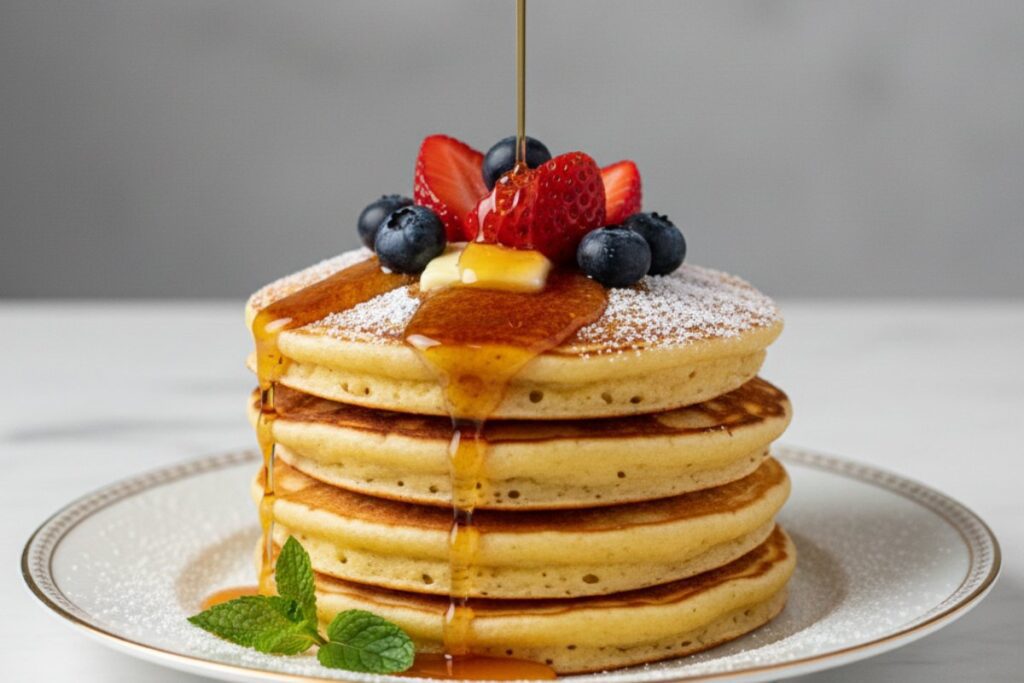
⏱️ Total Time: 15 min | 🔥 Calories: 350 | 💪 Protein: 28g
Pancakes without eggs that still have protein.
Ingredients:
- 1 scoop vanilla protein powder
- ½ cup oats
- 1 mashed banana
- ½ cup Greek yogurt
- ¼ cup milk
- 1 tsp baking powder
- ½ tsp vanilla extract
- Cinnamon
- Cooking spray
Instructions:
Blend all ingredients until smooth.
Heat pan over medium heat. Spray with cooking spray.
Pour batter to make 3-4 pancakes.
Cook 2-3 minutes per side until golden and cooked through.
Top with sugar-free syrup and berries.
Why These Work Without Eggs:
The banana and Greek yogurt bind everything together. The protein powder adds structure. You won’t miss the eggs.
My Experience:
I thought pancakes required eggs. These proved me wrong.
They’re fluffy. They hold together perfectly. They taste like regular pancakes but with way more protein.
Perfect weekend high protein breakfast no eggs option.
Breakfast 7: Smoked Salmon Avocado Bowl
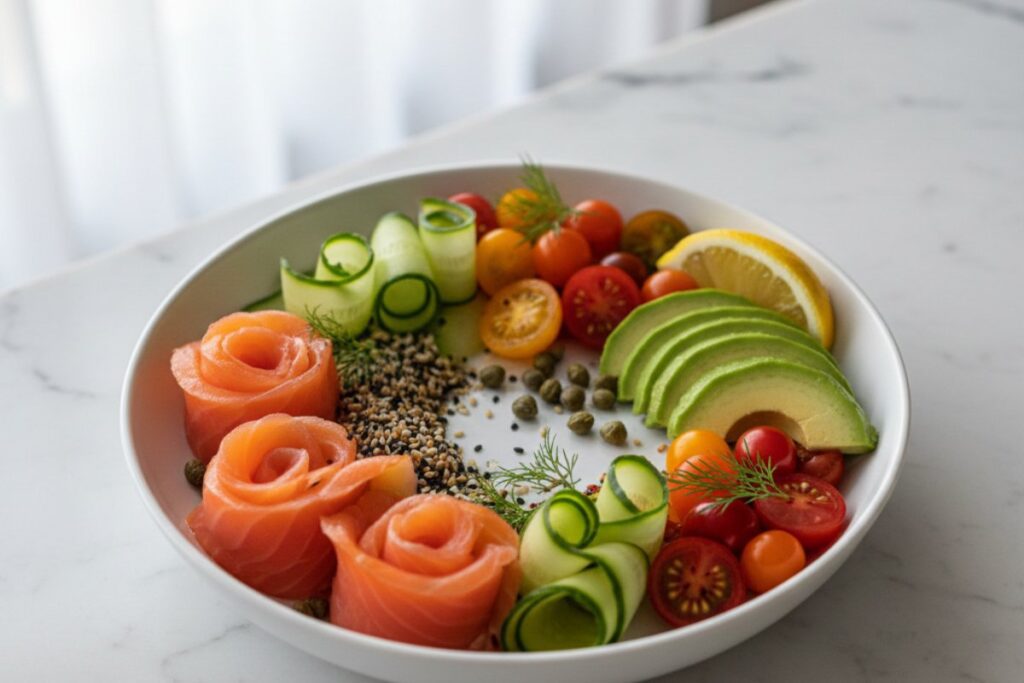
⏱️ Total Time: 5 min | 🔥 Calories: 380 | 💪 Protein: 26g
Restaurant-quality breakfast at home.
Ingredients:
- 4 oz smoked salmon
- 1 avocado, sliced
- ½ cup cherry tomatoes, halved
- ¼ cucumber, sliced
- 2 tbsp capers
- Fresh dill
- Lemon wedge
- Everything bagel seasoning
- Optional: small serving of crackers or toast
Instructions:
Arrange smoked salmon in bowl.
Add avocado slices, cherry tomatoes, cucumber.
Sprinkle capers, fresh dill, everything bagel seasoning.
Squeeze lemon over everything.
Serve with crackers or toast if desired.
My Experience:
This is my fancy breakfast. When I want something special. When regular breakfast feels boring.
The salmon provides high-quality protein and omega-3s. The avocado adds healthy fats. The vegetables give volume.
Feels like I’m at a fancy brunch. Actually just made it in 5 minutes at home.
Breakfast 8: Peanut Butter Protein Smoothie
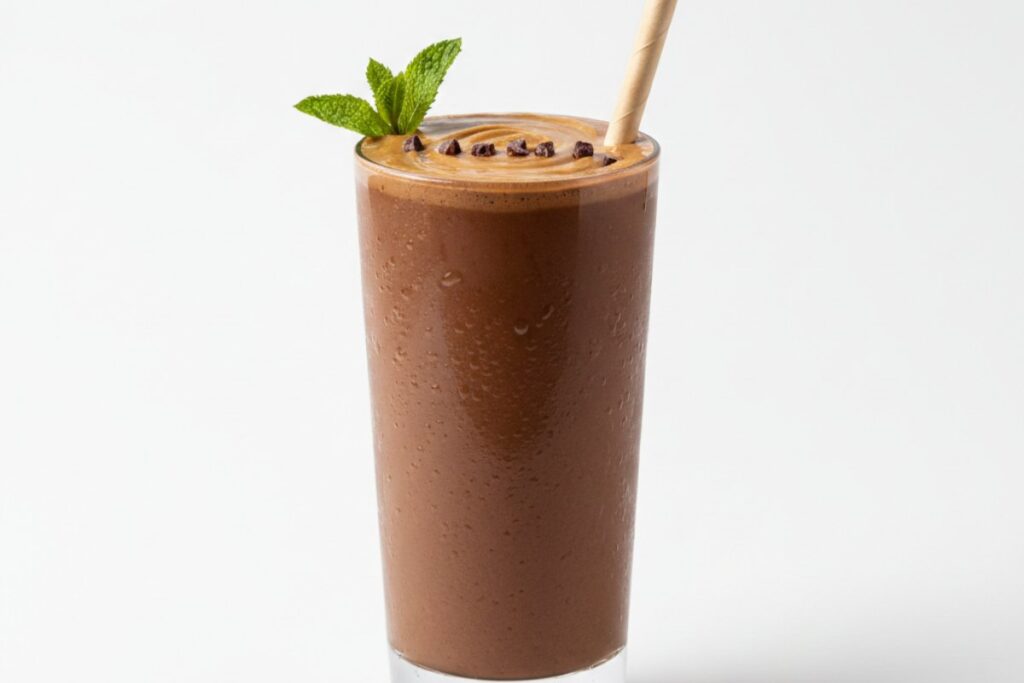
⏱️ Total Time: 5 min | 🔥 Calories: 380 | 💪 Protein: 32g
Thick, creamy, tastes like dessert.
Ingredients:
- 1 scoop chocolate protein powder
- 2 tbsp natural peanut butter
- 1 frozen banana
- 1 cup unsweetened almond milk
- 1 tbsp cacao powder
- Handful of ice
- Pinch of salt
Instructions:
Add all ingredients to blender.
Blend until thick and creamy.
Pour into glass.
Why This is Perfect:
The combination of protein powder and peanut butter gives you 32g protein. The frozen banana makes it thick and sweet.
These high protein breakfast no eggs smoothies are portable and quick.
My Experience:
This is my rushed morning breakfast. When I’m running late. When I need something I can drink in the car.
Tastes like a peanut butter milkshake. Keeps me full for hours. Takes 3 minutes to make.
Breakfast 9: Turkey Sausage and Vegetable Hash
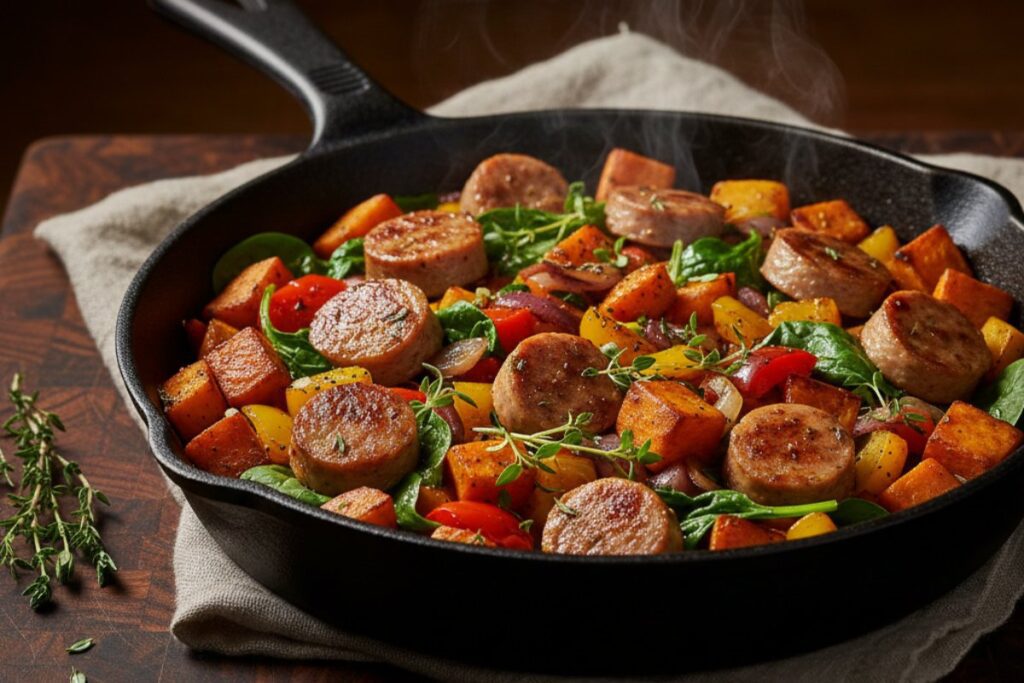
⏱️ Total Time: 15 min | 🔥 Calories: 320 | 💪 Protein: 28g
Hearty savory breakfast.
Ingredients:
- 3 turkey sausage links, sliced
- 1 cup diced sweet potato
- ½ cup diced bell peppers
- ½ cup diced onion
- Handful of spinach
- Garlic powder, paprika, salt, pepper
- Cooking spray
Instructions:
Spray large pan with cooking spray. Heat over medium-high.
Add sweet potato. Cook 5-6 minutes until starting to soften.
Add turkey sausage slices. Cook 4-5 minutes.
Add bell peppers and onions. Cook 3 minutes.
Add spinach and seasonings. Cook until spinach wilts.
My Experience:
This is my weekend breakfast. When I have 15 minutes. When I want something substantial.
The turkey sausage provides lean protein. The vegetables add volume and fiber. It’s incredibly filling.
Proves that high protein breakfast no eggs can be hearty and satisfying.
Breakfast 10: Protein Chia Pudding
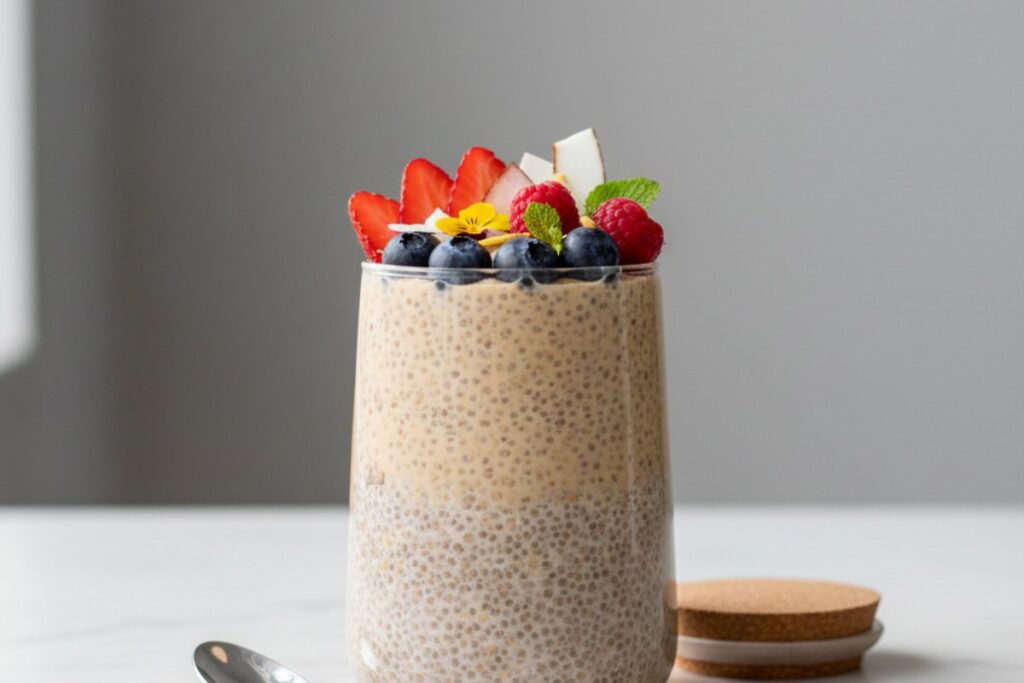
⏱️ Total Time: 5 min prep (set overnight) | 🔥 Calories: 310 | 💪 Protein: 24g
Make tonight, eat tomorrow.
Ingredients:
- ½ cup Greek yogurt
- ½ cup unsweetened almond milk
- 3 tbsp chia seeds
- 1 scoop vanilla protein powder
- 1 tbsp maple syrup
- ½ tsp vanilla extract
- Toppings: berries, nuts, coconut
Instructions:
Night before: Mix Greek yogurt, almond milk, chia seeds, protein powder, maple syrup, and vanilla in jar.
Stir well. Refrigerate overnight.
Morning: Top with berries, nuts, coconut.
Why This Works:
The combination of Greek yogurt, protein powder, and chia seeds gives you 24g protein. The chia seeds create pudding texture.
My Experience:
I make this every Sunday night. Have breakfast ready Monday morning.
It’s one of those high protein breakfast no eggs recipes that makes busy mornings easy.
Breakfast 11: Cottage Cheese Pancakes
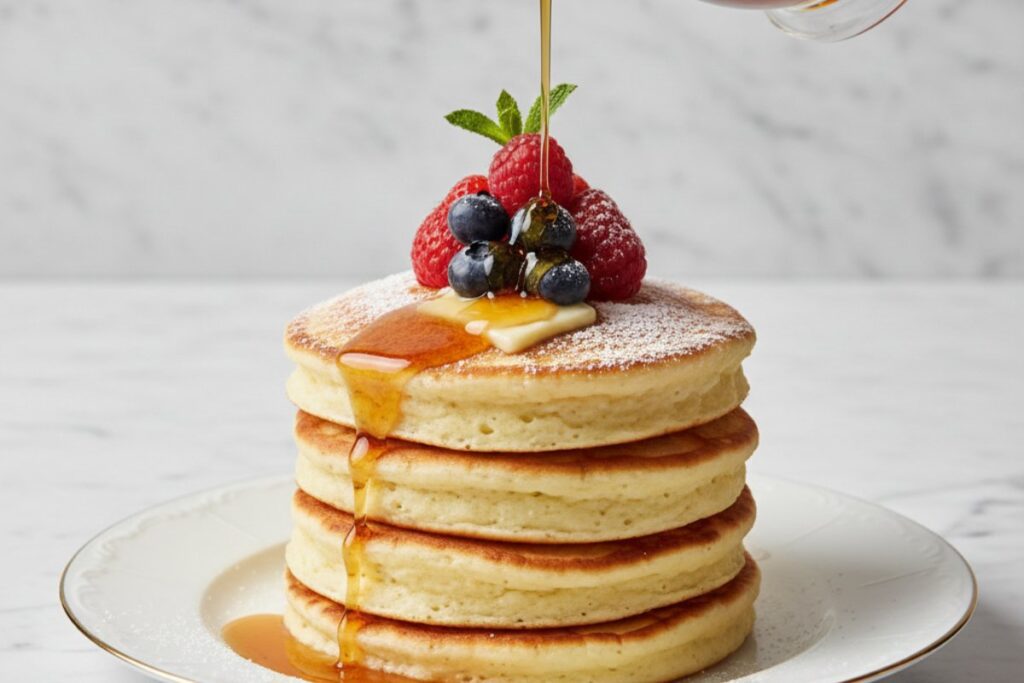
⏱️ Total Time: 15 min | 🔥 Calories: 330 | 💪 Protein: 30g
The fluffiest pancakes without eggs.
Ingredients:
- 1 cup cottage cheese
- ½ cup oat flour (or blended oats)
- 1 scoop vanilla protein powder
- 1 tbsp maple syrup
- 1 tsp baking powder
- ½ tsp vanilla extract
- Cinnamon
- Cooking spray
Instructions:
Blend cottage cheese until smooth.
Add oat flour, protein powder, maple syrup, baking powder, vanilla, cinnamon. Mix until combined.
Heat pan over medium. Spray with cooking spray.
Pour batter to make 4-5 small pancakes.
Cook 2-3 minutes per side.
My Experience:
These are magical. The cottage cheese makes them incredibly fluffy. No eggs needed.
30g of protein in one breakfast. Tastes like regular pancakes. Actually better texture.
My favorite high protein breakfast no eggs recipe for weekends.
Breakfast 12: Tofu Scramble

⏱️ Total Time: 12 min | 🔥 Calories: 280 | 💪 Protein: 24g
The closest thing to scrambled eggs without eggs.
Ingredients:
- 8 oz firm tofu, drained and crumbled
- ½ cup bell peppers, diced
- ¼ cup onion, diced
- Handful of spinach
- ½ tsp turmeric (for color)
- ½ tsp garlic powder
- Salt, pepper
- Cooking spray
Instructions:
Drain tofu. Crumble with hands or fork.
Spray pan with cooking spray. Sauté peppers and onions 3 minutes.
Add crumbled tofu. Cook 5 minutes, stirring occasionally.
Add turmeric, garlic powder, salt, pepper. Mix well.
Add spinach. Cook until wilted.
Why Turmeric:
Turmeric gives it the yellow color of scrambled eggs. Also adds anti-inflammatory benefits.
My Experience:
This satisfied my scrambled egg cravings. The texture is surprisingly similar. The turmeric makes it look like eggs.
One of the best high protein breakfast no eggs options for former egg lovers.
Breakfast 13: Protein Overnight Oats
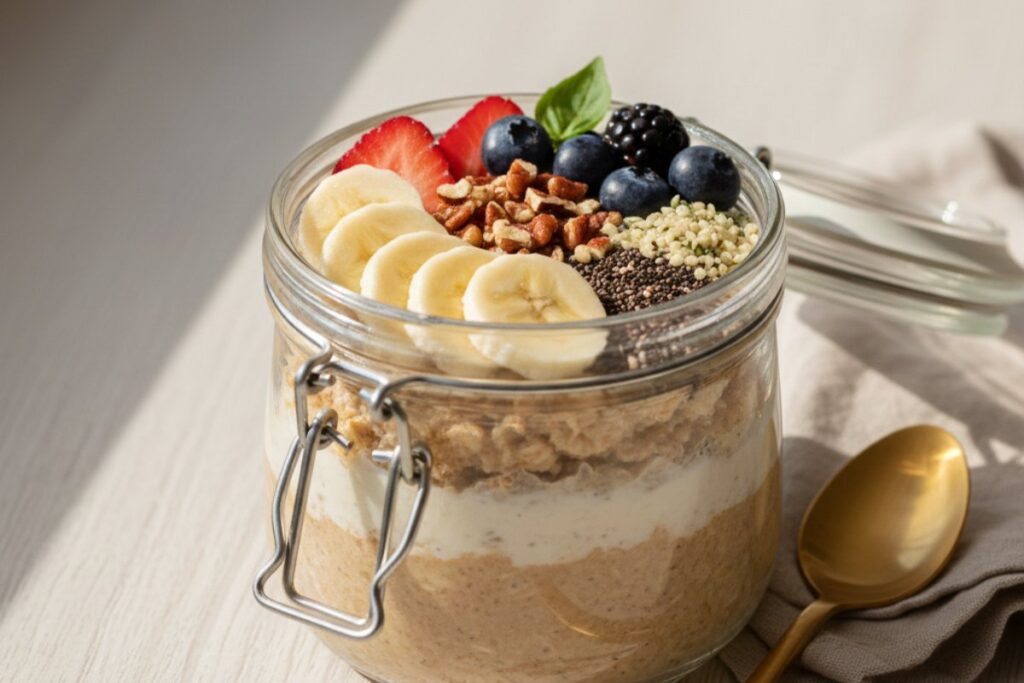
⏱️ Total Time: 5 min prep (set overnight) | 🔥 Calories: 360 | 💪 Protein: 28g
Classic overnight oats with protein boost.
Ingredients:
- ½ cup rolled oats
- ½ cup Greek yogurt
- ½ cup unsweetened almond milk
- 1 scoop vanilla protein powder
- 1 tbsp chia seeds
- 1 tbsp almond butter
- ½ tsp cinnamon
- Toppings: banana, berries, nuts
Instructions:
Night before: Mix oats, Greek yogurt, almond milk, protein powder, chia seeds, almond butter, cinnamon in jar.
Stir well. Refrigerate overnight.
Morning: Top with banana, berries, nuts.
My Experience:
This is my most reliable breakfast. I make it Tuesday nights. Eat it Wednesday mornings.
The combination of oats, Greek yogurt, and protein powder creates the perfect texture and 28g protein.
Essential for any high protein breakfast no eggs rotation.
For more oatmeal ideas, check low calorie baked apple oatmeal.
Breakfast 14: Smoked Turkey and Avocado Wrap
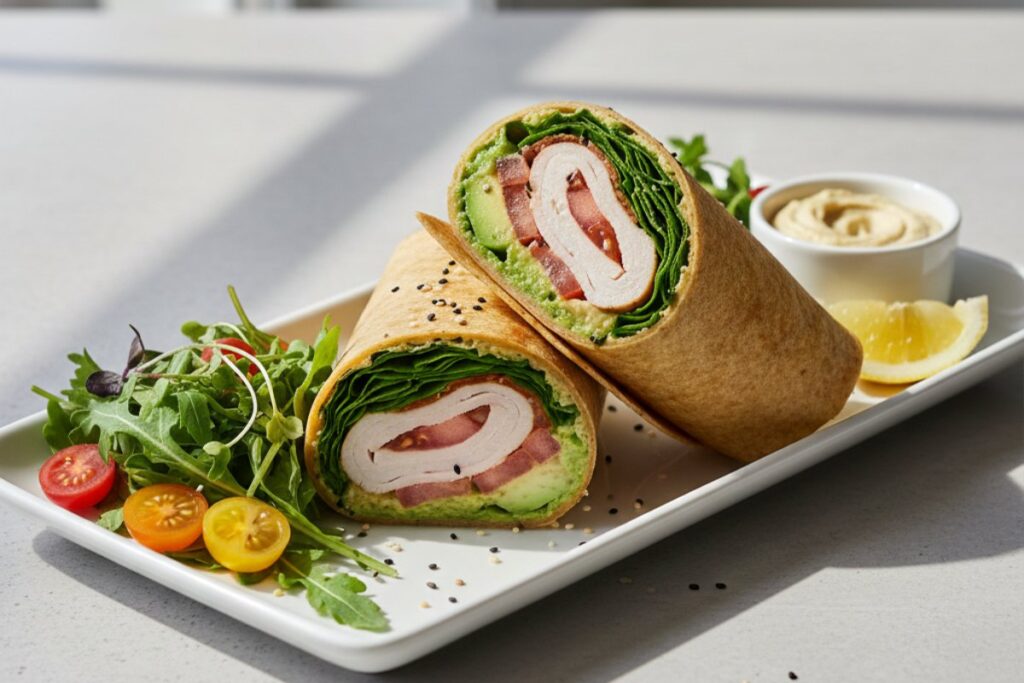
⏱️ Total Time: 8 min | 🔥 Calories: 350 | 💪 Protein: 26g
Portable protein breakfast.
Ingredients:
- 1 large low-carb tortilla
- 4 oz sliced smoked turkey breast
- ½ avocado, sliced
- Handful of spinach
- 2 tbsp hummus
- Sliced tomato
- Everything bagel seasoning
Instructions:
Warm tortilla in pan 10 seconds per side.
Spread hummus on tortilla.
Layer turkey, avocado, spinach, tomato.
Sprinkle everything bagel seasoning.
Wrap tightly. Cut in half.
My Experience:
This is my eating-in-the-car breakfast. Wraps up perfectly. Doesn’t make a mess. Actually filling.
The turkey provides lean protein. The avocado adds healthy fats. The hummus adds flavor.
Perfect for busy mornings when you need portable high protein breakfast no eggs.
Breakfast 15: Protein-Packed Quinoa Bowl
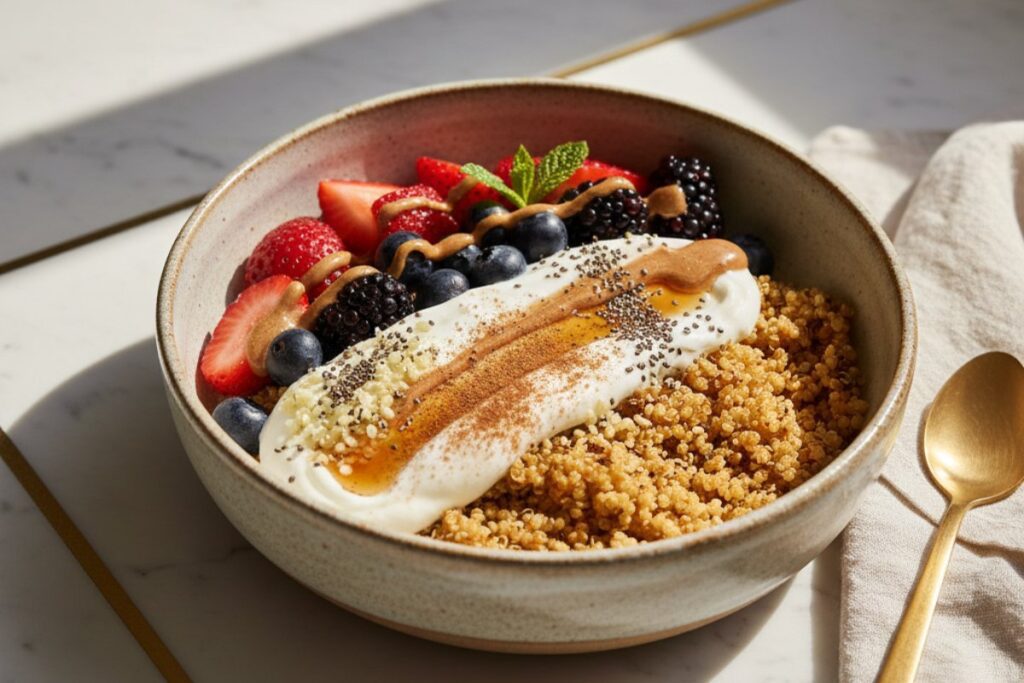
⏱️ Total Time: 10 min (if quinoa prepped) | 🔥 Calories: 380 | 💪 Protein: 22g
Unexpected breakfast grain.
Ingredients:
- 1 cup cooked quinoa
- ½ cup Greek yogurt
- ¼ cup berries
- 2 tbsp almond butter
- 1 tbsp chia seeds
- 1 tbsp hemp hearts
- Cinnamon
- Drizzle of maple syrup
Instructions:
Reheat cooked quinoa in microwave 1-2 minutes.
Top with Greek yogurt, berries, almond butter drizzle, chia seeds, hemp hearts.
Sprinkle cinnamon. Drizzle maple syrup.
Why Quinoa Works:
Quinoa is a complete protein (rare for grains). Combined with Greek yogurt, you get 22g protein.
My Experience:
I meal prep quinoa on Sundays. Have it ready for these bowls all week.
It’s different. It’s interesting. It’s one of those high protein breakfast no eggs ideas that keeps breakfast from getting boring.
Why High Protein Breakfast No Eggs Changed My Life
Losing eggs felt like losing my entire breakfast routine.
I didn’t know how to start my day without scrambled eggs. Without omelets. Without egg sandwiches.
I thought high protein breakfast required eggs. That without eggs, I’d be stuck with carbs and hunger.
What Changed:
I discovered dozens of ways to get protein without eggs. Greek yogurt. Cottage cheese. Protein powder. Tofu. Turkey. Tuna. Salmon.
That’s what these high protein breakfast no eggs recipes taught me.
The Results:
Week 1:
- Tried 5 different egg-free breakfasts
- Realized I didn’t miss eggs as much as I thought
- Stayed full all morning
Month 1:
- Found my favorite egg alternatives
- Stopped thinking about eggs constantly
- Actually enjoyed breakfast variety
Month 3:
- Preferred some egg-free breakfasts to my old egg breakfasts
- Never felt limited or restricted
- Morning routine felt normal again
Month 12 (now):
- Have 15+ high protein breakfast no eggs options
- Don’t miss eggs at all
- Breakfast is easier and more varied than before
Losing eggs didn’t ruin breakfast. It improved it.
My High Protein No Egg Strategy
What I Learned:
High protein breakfast without eggs needs:
- Primary protein source (Greek yogurt, cottage cheese, protein powder, meat, tofu)
- Protein boosters (chia seeds, hemp hearts, nut butter)
- Satisfying additions (healthy fats, fiber, volume)
My Weekly Rotation:
Monday: Greek yogurt power bowl (prepped)
Tuesday: Cottage cheese bowl (quick)
Wednesday: Protein overnight oats (prepped)
Thursday: Smoothie bowl (refreshing)
Friday: Tuna avocado toast (savory)
Saturday: Protein pancakes (treat)
Sunday: Turkey sausage hash (hearty)
Meal Prep Sunday:
I spend 20 minutes:
- Cook quinoa for the week
- Make overnight oats for Monday/Wednesday
- Prep chia pudding
- Cut fruit
This makes weekday mornings automatic.
Common High Protein No Egg Mistakes
Mistake 1: Not Enough Actual Protein
I made smoothies with just banana and berries. Called it “protein smoothie.” Had maybe 5g protein.
The Fix: Every breakfast needs a real protein source. Greek yogurt, cottage cheese, protein powder, or meat. Aim for 20g+ protein minimum.
Mistake 2: Forgetting Healthy Fats
Ate only Greek yogurt with berries. Was hungry 2 hours later.
The Fix: Add nuts, nut butter, chia seeds, or avocado. Small amounts of healthy fat keep you satisfied.
Mistake 3: Too Sweet
Made everything taste like dessert. Got sick of sweet breakfasts.
The Fix: Include savory options. Tuna toast. Turkey hash. Tofu scramble. Balance is key.
Mistake 4: No Variety
Ate the same Greek yogurt bowl every single day for three weeks. Got bored. Started skipping breakfast.
The Fix: Rotate between at least 5-7 different high protein breakfast no eggs recipes. Keep it interesting.
Quick Questions About High Protein Breakfast Without Eggs
Can you really get enough protein without eggs?
Absolutely. Greek yogurt has 15-25g per cup. Cottage cheese has 25-35g per 1.5 cups. Protein powder has 20-25g per scoop. Many options.
What’s the best egg replacement for protein?
Greek yogurt and cottage cheese are the easiest. Protein powder in smoothies or oatmeal is the most convenient.
Are these breakfasts suitable for vegans?
Many can be made vegan by using plant-based yogurt, plant-based protein powder, and tofu. The tuna, salmon, and turkey options obviously aren’t vegan.
How much protein should breakfast have?
Aim for at least 20g. More if you’re very active or trying to build muscle. These high protein breakfast no eggs recipes all hit that minimum.
Do these breakfasts keep you full?
Yes. The combination of protein, healthy fats, and fiber keeps you satisfied for 4-5 hours.
Want more high-protein options? Check high protein meal prep and high protein low calorie meal prep.
More Breakfast Resources
Looking for make-ahead options? Try high protein make ahead breakfast.
Want more variety? Browse low calorie breakfast ideas.
Need quick options? See quick healthy dinners for weight loss and 30 minute high protein dinners.
The Truth About Protein and Eggs
The fitness industry wants you to believe eggs are the only breakfast protein. That without eggs, you can’t build muscle or stay full.
It’s not true.
Yes, eggs are a great protein source. But they’re not the only one. Not even close.
Greek yogurt. Cottage cheese. Protein powder. Fish. Poultry. Tofu. Legumes. All provide excellent protein.
I thought losing eggs meant losing protein. Meant losing my fitness progress. Meant being hungry all morning.
I was completely wrong.
These high protein breakfast no eggs recipes provide just as much protein as my old egg breakfasts. Sometimes more. And I have way more variety now.
You don’t need eggs for protein. You just need good recipes.
Start tomorrow morning. Pick one recipe from this list. Make it.
Within a week, you’ll understand why these high protein breakfast no eggs recipes saved my mornings.
Real protein. Real variety. Real satisfaction.