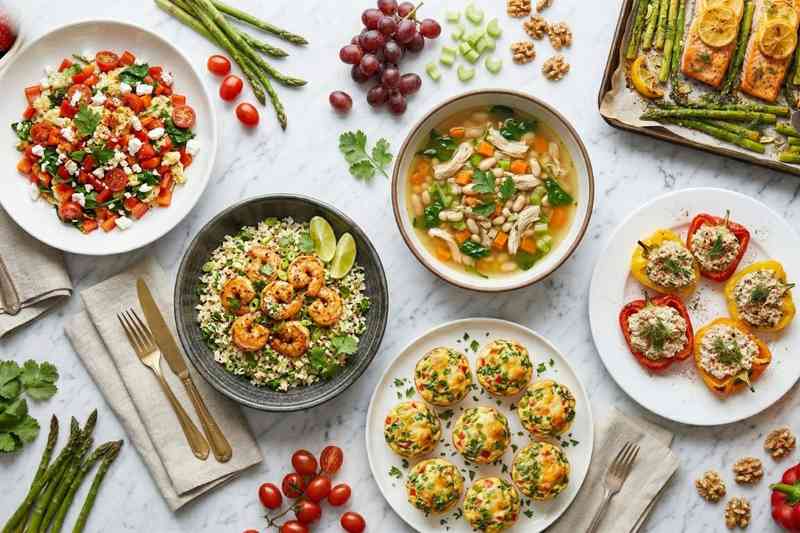
10 Best High Protein Low Calorie Meals That Actually Fill You Up
High protein low calorie meals changed the way I think about losing weight.
I spent two years trying to eat less.
That was my entire strategy. Less food. Smaller portions. Say no to things I actually wanted. White-knuckle my way through every meal feeling vaguely miserable and constantly hungry.
I lost weight. Then I gained it back. Then I lost it again. The same 8 pounds, over and over, in a cycle that felt like punishment.
A friend who had actually kept weight off for three years asked me what I was eating. I described my typical day. Small salad for lunch. Grilled chicken and steamed broccoli for dinner. A handful of crackers when the hunger got unbearable.
She listened. Then she said something that stopped me completely.
“You’re eating less. You’re not eating right.”
She pulled out her phone and showed me what she actually ate. Big bowls of food. Real meals. Things that looked satisfying and substantial.
“How many calories is that?” I asked.
“About 380,” she said. “And 35 grams of protein.”
I didn’t understand how that was possible. She explained it simply. Protein takes up space. It keeps you full for hours. It costs fewer calories per gram of satiety than almost anything else you can eat. When you build meals around protein first, you stop fighting hunger. You just stop being hungry.
I tried her approach for one week.
I wasn’t hungry anymore. That was it. That was the whole difference.
I stopped eating less and started eating right. The weight came off and — for the first time in two years — stayed off.
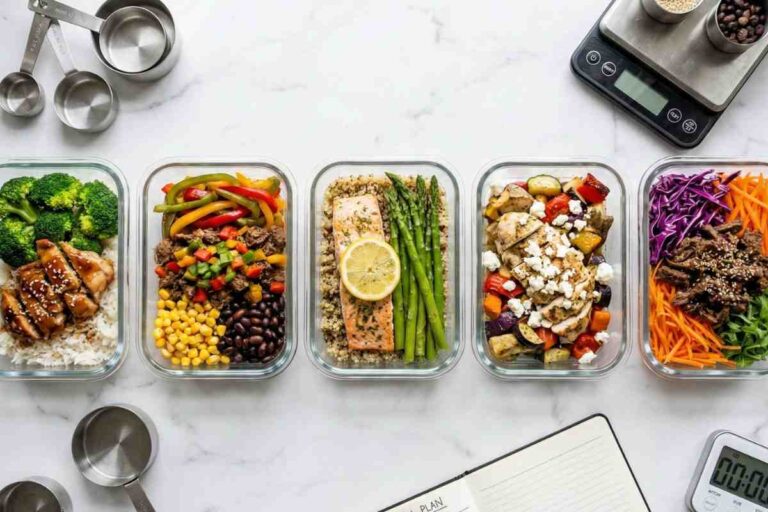
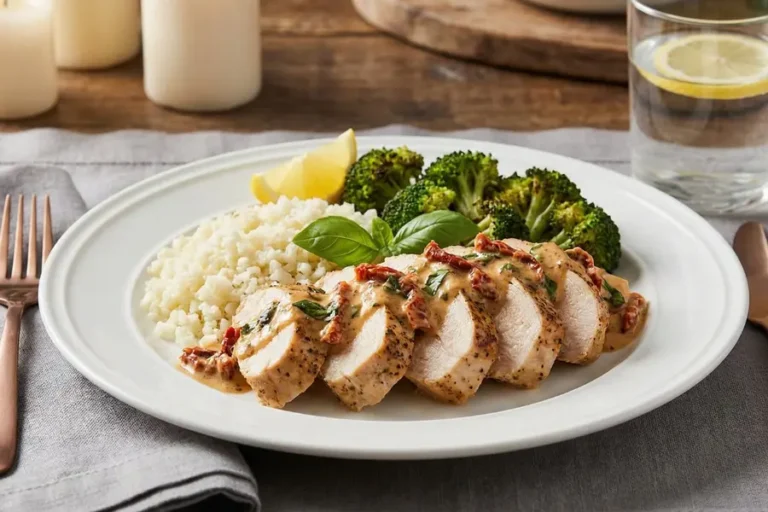
These 10 high protein low calorie meals are what I make now. Every one is under 450 calories. Every one has at least 25 grams of protein. Every one is filling enough that I don’t think about food again for four to five hours.
No starving. No misery. Just food that actually works.
High protein low calorie meals are recipes that deliver at least 25 grams of protein per serving while staying under 400 calories. They work by combining lean proteins — chicken, eggs, fish, legumes — with high-volume, low-calorie vegetables that fill your stomach without filling your calorie budget. The result is real satiety on fewer calories — without hunger, without restriction, and without eating the same bland food every day.
Recipe 1: Egg White and Vegetable Scramble
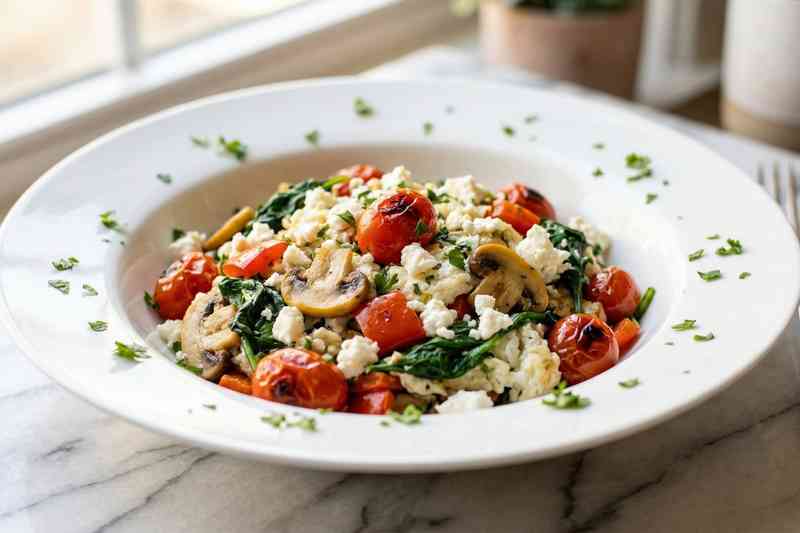
⏱️ Prep Time: 10 minutes | 👥 Servings: 1 📊 Calories: 220 | 💪 Protein: 28g | ❄️ Stays Fresh: Eat immediately
I resisted egg whites for a long time.
Felt like a fitness cliché. Something bodybuilders ate before competitions. Not real food for real people.
Then I actually tried them. Properly seasoned. With real vegetables. A handful of feta cheese on top.
220 calories. 28 grams of protein. Done in 10 minutes.
I make this three mornings a week now. It’s one of my most reliable high protein low calorie meals — especially on days when I know lunch might be heavier than I planned.
Ingredients:
- 5 large egg whites (or ¾ cup liquid egg whites)
- 1 cup fresh spinach
- ½ cup cherry tomatoes, halved
- ¼ cup mushrooms, sliced
- ¼ red bell pepper, diced
- 2 tablespoons crumbled feta cheese
- 1 teaspoon olive oil
- Salt, black pepper, and red pepper flakes
- Fresh parsley to garnish
Instructions:
- Whisk egg whites with salt, pepper, and red pepper flakes until slightly frothy.
- Heat olive oil in a non-stick pan over medium-low heat.
- Add bell pepper and mushrooms. Cook 3 minutes until softened.
- Add cherry tomatoes. Cook 1 minute until they just start to blister.
- Add spinach. Stir until fully wilted — about 60 seconds.
- Spread vegetables evenly across the pan.
- Pour egg whites over the vegetables.
- Let sit 20 seconds. Then fold gently every 30 seconds.
- Remove from heat while still slightly glossy. They finish cooking from residual heat.
- Slide onto plate. Crumble feta on top. Garnish with parsley.
Why It Works:
Five egg whites have almost no fat and almost no calories — but they pack 18 grams of complete protein. The vegetables add volume, fiber, and micronutrients without adding meaningful calories. Feta brings 4 more grams of protein plus fat that makes the whole thing satisfying. You eat this at 7am and you’re genuinely full until noon on 220 calories. That’s the math that makes high protein low calorie meals work — not eating less, but eating smarter.
Pro Tip: Never cook egg whites on high heat. They turn rubbery and foam and taste terrible. Medium-low heat, slow folds, remove while glossy. Every time I rush this step I regret it. Patient eggs are good eggs.
Recipe 2: Turkey and Zucchini Skillet
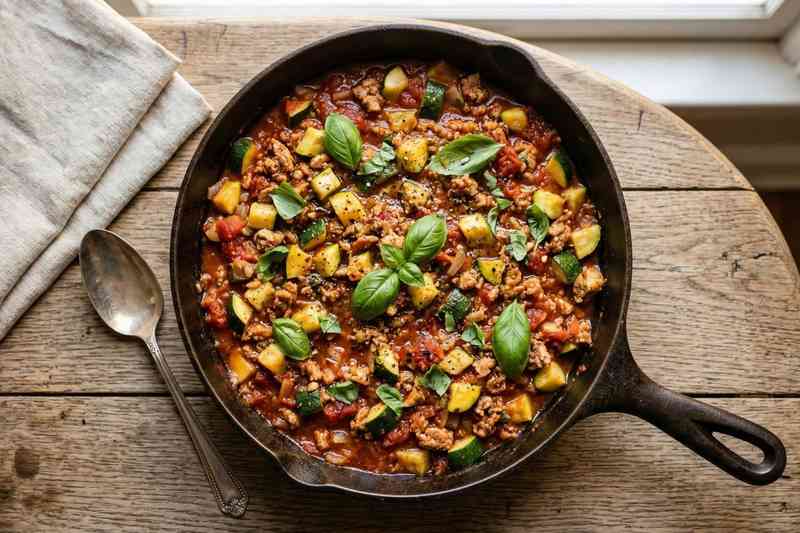
⏱️ Prep Time: 15 minutes | 👥 Servings: 2 📊 Calories: 310 per serving | 💪 Protein: 35g | ❄️ Stays Fresh: 3 days
I made this for dinner once when I had nothing in the fridge except ground turkey, two zucchinis, and a can of diced tomatoes.
Threw it together without thinking too hard. Sat down and ate it. Thought — this is actually really good. Checked the calories out of habit.
310 calories. 35 grams of protein. For a genuinely satisfying dinner.
Now I make a double batch every Sunday. It’s one of those meals that gets better on day two when the flavors settle into each other.
Ingredients:
- 300g lean ground turkey (93% lean)
- 2 medium zucchinis, diced
- 1 can (400g) diced tomatoes
- ½ yellow onion, diced
- 3 cloves garlic, minced
- 1 teaspoon olive oil
- 1 teaspoon smoked paprika
- ½ teaspoon cumin
- ½ teaspoon oregano
- Salt and black pepper
- Fresh basil to finish
Instructions:
- Heat olive oil in a large skillet over medium-high heat.
- Add onion. Cook 3 minutes until softened.
- Add garlic. Stir 30 seconds until fragrant.
- Add ground turkey. Break apart with a wooden spoon.
- Cook 6-7 minutes until no pink remains. Season with paprika, cumin, oregano, salt, and pepper.
- Add diced zucchini. Stir through.
- Pour in diced tomatoes with their juice.
- Simmer uncovered 8-10 minutes until zucchini is tender and sauce has thickened.
- Taste. Adjust seasoning.
- Finish with fresh basil. Serve immediately or portion for meal prep.
Why It Works:
Lean ground turkey is one of the most protein-dense meats available at a reasonable calorie cost. 93% lean turkey has about 22 grams of protein per 100 grams with very little fat. Zucchini is mostly water — it adds bulk, texture, and fiber for almost zero calories. The tomatoes bring lycopene, a powerful antioxidant that research from Harvard Health links to reduced inflammation and cancer protection. Total: 310 calories, 35 grams of protein per serving. This is what dinner should look like on a weight loss plan — real food, real portion, real results.
Pro Tip: Don’t drain the canned tomatoes. The juice is where the flavor lives. I did this once out of habit from other recipes and the skillet came out dry and a bit bland. Keep the juice. Let it reduce with the zucchini and turkey. The whole thing becomes richer and more cohesive.
Recipe 3: Shrimp and Cauliflower Rice Bowl
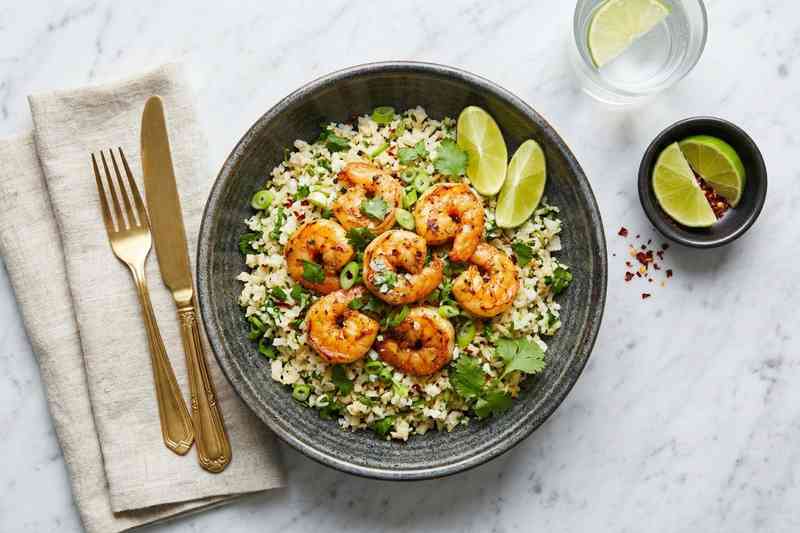
⏱️ Prep Time: 15 minutes | 👥 Servings: 1 📊 Calories: 280 | 💪 Protein: 32g | ❄️ Stays Fresh: 2 days
Cauliflower rice felt like a compromise the first time I tried it.
Like I was eating something that was pretending to be real rice and failing. I resented it a little.
Then I stopped treating it like rice and started treating it like its own thing. Seasoned properly. With garlic and lime. Under well-seasoned shrimp with a little heat.
It doesn’t taste like rice. It tastes like its own dish. And that dish happens to be 280 calories with 32 grams of protein.
Ingredients:
- 200g large shrimp, peeled and deveined
- 2 cups cauliflower rice (fresh or frozen)
- 2 cloves garlic, minced
- ½ lime (juice and zest)
- 1 tablespoon low-sodium soy sauce
- 1 teaspoon sesame oil
- ½ teaspoon chili flakes
- ½ teaspoon ginger, grated
- 2 spring onions, sliced
- Fresh cilantro to finish
- Salt and black pepper
Instructions:
- Season shrimp with salt, pepper, chili flakes, and half the garlic.
- Heat a non-stick pan over high heat. No oil needed for shrimp.
- Cook shrimp 2 minutes per side until pink and slightly charred. Remove and set aside.
- In the same pan, add sesame oil over medium heat.
- Add remaining garlic and ginger. Stir 30 seconds.
- Add cauliflower rice. Stir-fry 4-5 minutes until slightly golden and any moisture has evaporated.
- Add soy sauce. Toss to combine.
- Return shrimp to pan. Squeeze lime juice over everything. Add lime zest.
- Toss together and remove from heat.
- Top with spring onions and fresh cilantro.
Why It Works:
Shrimp is one of the great calorie-to-protein bargains in existence. 200 grams of shrimp has around 24 grams of protein for roughly 100 calories. Cauliflower rice replaces a cup of regular rice — cutting about 170 calories while keeping the same volume and adding fiber. Sesame oil and soy sauce deliver big flavor with minimal calories. You end up with a bowl that looks and feels like a proper restaurant meal at 280 calories total. For more ideas on building low calorie breakfasts that use the same protein-first approach, our low calorie breakfast ideas has options under 300 calories worth exploring.
Pro Tip: Dry your shrimp completely before cooking. Pat them with paper towels. Wet shrimp steam instead of sear and come out pale and rubbery instead of golden and slightly charred. Thirty seconds of drying makes a significant difference to the final texture and flavor.
Recipe 4: Cottage Cheese Power Bowl
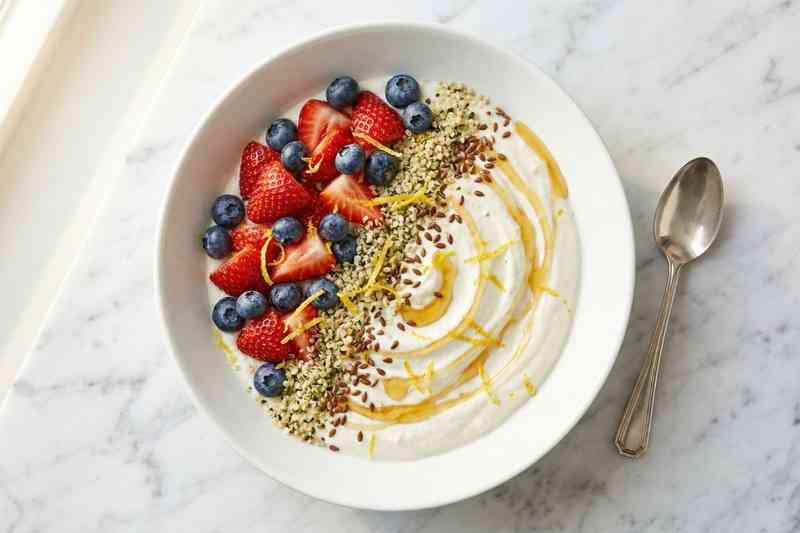
⏱️ Prep Time: 5 minutes | 👥 Servings: 1 📊 Calories: 290 | 💪 Protein: 34g | ❄️ Stays Fresh: 2 days
Cottage cheese at 290 calories with 34 grams of protein is almost unfair.
It’s the most protein-efficient food I’ve found. One cup has 24 grams of protein — more than three eggs — for about 180 calories. It costs almost nothing. It requires zero cooking.
The issue people have with it is texture. The curds. The look of it. I get it.
So blend it. 30 seconds in a blender and it becomes completely smooth — like a thick, mild yogurt. Top it properly and nobody knows what it is. Everybody asks for the recipe.
Ingredients:
- 1 cup cottage cheese (2%)
- ½ cup fresh strawberries, sliced
- ½ cup fresh blueberries
- 1 tablespoon hemp hearts
- 1 tablespoon ground flaxseed
- 1 teaspoon honey
- ½ teaspoon vanilla extract
- Zest of half a lemon
- Pinch of cinnamon
Instructions:
- Add cottage cheese and vanilla extract to a blender.
- Blend 30 seconds until completely smooth. Scrape down sides once if needed.
- Taste. Add a tiny pinch of salt if it tastes flat.
- Pour into a bowl.
- Arrange strawberries and blueberries on top.
- Sprinkle hemp hearts and flaxseed.
- Drizzle honey.
- Zest lemon directly over the bowl.
- Dust with cinnamon.
Why It Works:
Cottage cheese is primarily casein protein — the slow-digesting kind that releases amino acids over 5 to 7 hours. You eat this at noon and you’re genuinely not hungry at 3pm. That’s the mechanism. Hemp hearts add 3 grams of protein and a good balance of omega-3 fatty acids. Berries add antioxidants and natural sweetness for under 40 calories. Total: 290 calories, 34 grams of protein. For more ways to use cottage cheese as a high protein base, our cottage cheese recipes high protein guide has 20+ ideas that use the same principle.
Pro Tip: Never skip the blend. I served cottage cheese directly over fruit exactly once. The curds looked wrong next to the berries and the texture interrupted every single bite. The 30-second blend transforms appearance and texture completely. My children eat this regularly without knowing it’s cottage cheese. That’s the best endorsement I can give.
Recipe 5: Chicken and Spinach Soup
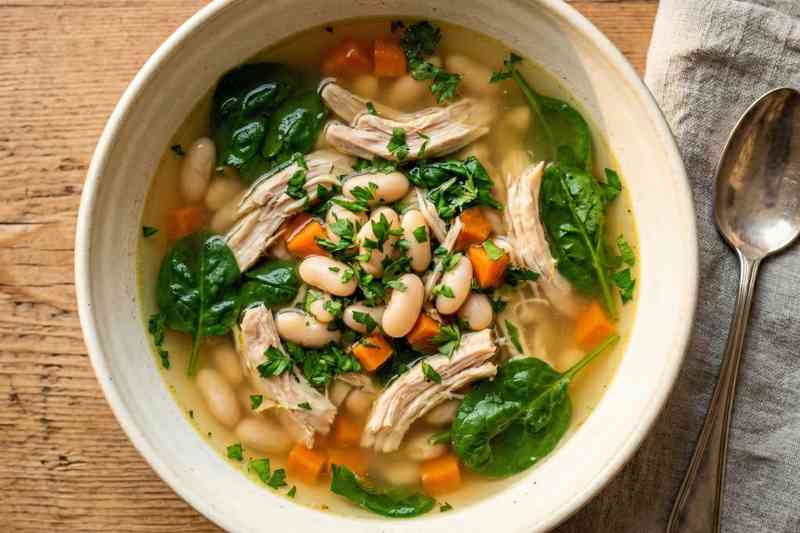
⏱️ Prep Time: 25 minutes | 👥 Servings: 4 📊 Calories: 260 per serving | 💪 Protein: 38g | ❄️ Stays Fresh: 4 days
Soup is underrated as a weight loss tool.
There’s actual research behind this. A study published in Appetite journal found that people who ate soup before a meal consumed significantly fewer calories overall — not because they were trying to, but because the warm liquid genuinely increased satiety signals.
I make a big pot of this on Sunday. It keeps four days in the fridge. On busy weeknights when I have no energy to cook, I heat a bowl. 260 calories. 38 grams of protein. Done in three minutes.
It has saved my diet more times than I can count.
Ingredients:
- 500g chicken breast, diced into small cubes
- 3 cups fresh spinach
- 2 medium carrots, diced
- 2 stalks celery, diced
- 1 medium onion, diced
- 4 cloves garlic, minced
- 1.5 liters low-sodium chicken broth
- 1 can white beans, drained and rinsed
- 1 teaspoon thyme
- 1 teaspoon rosemary
- Salt and black pepper
- Juice of half a lemon
- Fresh parsley to finish
Instructions:
- Heat a large pot over medium-high heat. Add a tiny spray of cooking oil.
- Add chicken pieces. Season with salt and pepper. Cook 5-6 minutes until golden on outside.
- Remove chicken and set aside.
- In the same pot, add onion, carrots, and celery. Cook 4 minutes until softened.
- Add garlic, thyme, and rosemary. Stir 1 minute.
- Pour in chicken broth. Bring to a boil.
- Add chicken back to pot. Reduce heat to medium-low.
- Add white beans. Simmer 10 minutes.
- Add spinach. Stir until wilted — 2 minutes.
- Squeeze lemon juice in. Taste and adjust seasoning.
- Ladle into bowls. Top with fresh parsley.
Why It Works:
Chicken breast is the leanest common protein — about 31 grams of protein per 100 grams at roughly 165 calories. White beans add 7 more grams of protein per half cup plus fiber that slows digestion dramatically. Spinach contributes iron and folate for natural energy with almost zero caloric cost. The broth creates volume — your stomach physically feels full. Total: 260 calories, 38 grams of protein per serving. The highest protein-to-calorie ratio on this list.
Pro Tip: Make this soup on Sunday in a big pot. Portion into containers immediately while still warm. Four servings ready for the week. On the nights you come home tired and reach for whatever is easiest — this is the easy option that doesn’t cost you anything the next morning.
Recipe 6: Tuna Stuffed Bell Peppers
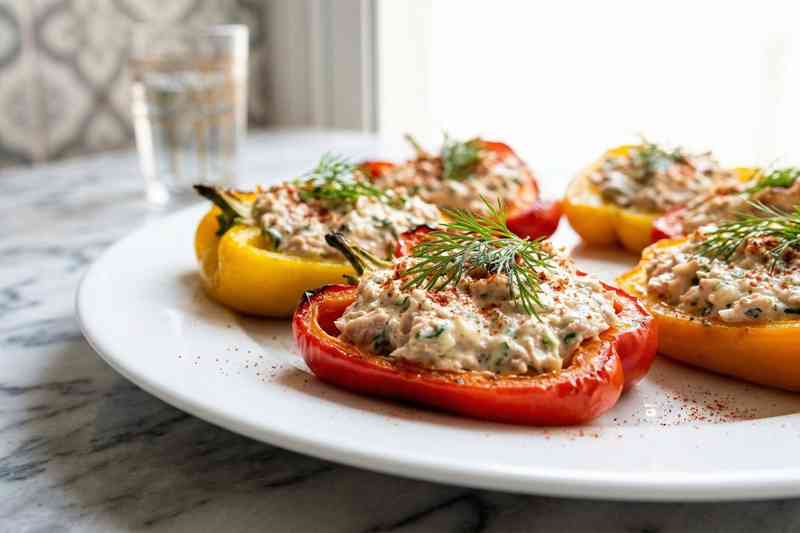
⏱️ Prep Time: 15 minutes | 👥 Servings: 2 📊 Calories: 245 per serving | 💪 Protein: 30g | ❄️ Stays Fresh: 2 days
I discovered this recipe during a week when I was genuinely bored with everything I’d been eating.
Same chicken. Same salad. Same eggs. Same rotation of responsible food that I was making myself eat through sheer willpower.
Tuna stuffed peppers felt different. A whole roasted bell pepper filled with a herby tuna mixture. Something you’d see on a menu. Something that looked like it had been thought about.
245 calories. 30 grams of protein. And I actually wanted to eat it.
Wanting to eat your diet food is not a small thing.
Ingredients:
- 2 large bell peppers (any color), halved and deseeded
- 2 cans (140g each) tuna in water, drained well
- 3 tablespoons plain Greek yogurt (instead of mayo)
- 1 stalk celery, finely diced
- 2 tablespoons red onion, finely diced
- 1 tablespoon capers (optional but excellent)
- 1 tablespoon fresh dill or parsley, chopped
- 1 teaspoon Dijon mustard
- Juice of half a lemon
- Salt and black pepper
- Paprika for finishing
Instructions:
- Preheat oven to 200°C (400°F).
- Place halved bell peppers cut-side up on a baking tray.
- Drizzle lightly with olive oil spray. Season with salt.
- Roast 15 minutes until slightly softened and edges start to char.
- While peppers roast — drain tuna very well. Press with paper towels to remove all moisture.
- Mix tuna with Greek yogurt, Dijon mustard, celery, red onion, capers, fresh dill, and lemon juice.
- Season generously with salt and pepper. Taste and adjust.
- Remove peppers from oven. Fill each half generously with tuna mixture.
- Dust with paprika.
- Serve warm or at room temperature.
Why It Works:
Tuna in water is pure protein with almost no fat. Two cans deliver about 50 grams of protein for under 200 calories. Greek yogurt replaces mayonnaise — adding protein instead of fat, reducing calories by about 80 per serving without any sacrifice in creaminess. Bell peppers add vitamin C, which research from the National Institutes of Health shows dramatically improves iron absorption from food — more iron absorbed means more natural energy. Total: 245 calories, 30 grams of protein. A lunch that looks like restaurant food and costs a fraction of the calories.
Pro Tip: Drain the tuna properly. I mean really drain it — open the can, press the lid down hard, tip it over the sink, wait. Then press again with paper towels. Wet tuna makes a watery mixture that soaks into the pepper and falls apart. Properly drained tuna makes a firm, cohesive filling that holds its shape.
Recipe 7: Greek Yogurt Chicken Salad
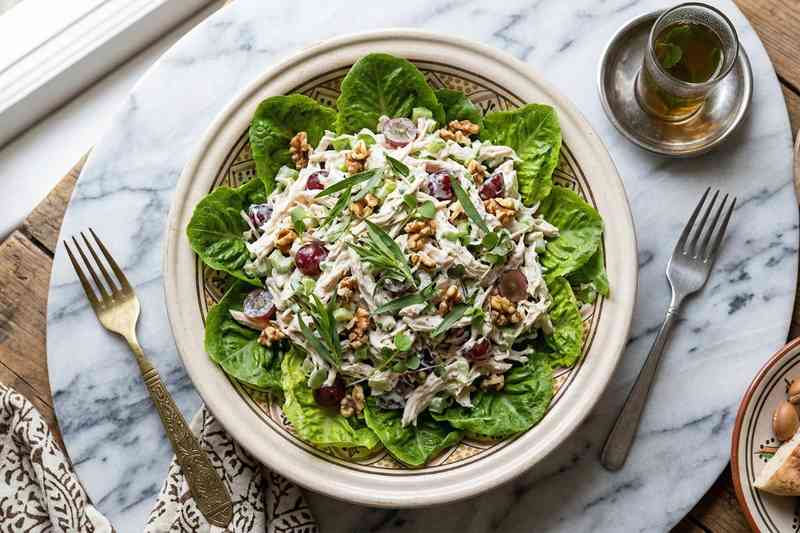
⏱️ Prep Time: 10 minutes | 👥 Servings: 2 📊 Calories: 275 per serving | 💪 Protein: 40g | ❄️ Stays Fresh: 3 days
Traditional chicken salad uses a cup of mayonnaise and calls it lunch.
Nothing wrong with mayonnaise. But a cup of it adds about 700 calories before you’ve added any chicken. That’s the whole calorie budget for the meal, used up in one condiment.
Greek yogurt does the same job — creamy, tangy, holds everything together — at a fraction of the calories and with 20 grams of protein per cup instead of essentially zero.
I made this switch two years ago and never went back. The salad tastes better. The macros are unrecognizable compared to the original.
Ingredients:
- 400g cooked chicken breast, shredded
- ½ cup plain Greek yogurt (2%)
- 2 stalks celery, finely diced
- ¼ cup red grapes, halved
- 2 tablespoons walnuts, roughly chopped
- 2 tablespoons fresh dill or tarragon
- 1 tablespoon lemon juice
- 1 teaspoon Dijon mustard
- Salt and black pepper
- Romaine lettuce or whole grain bread to serve
Instructions:
- Shred cooked chicken into bite-sized pieces. Use rotisserie chicken to save time.
- In a large bowl, mix Greek yogurt, lemon juice, Dijon mustard, salt, and pepper. Stir until smooth.
- Add shredded chicken. Toss to coat evenly.
- Add celery, grapes, walnuts, and fresh herbs. Fold through gently.
- Taste. Adjust lemon, salt, or mustard.
- Serve over romaine lettuce leaves or on whole grain bread.
- Refrigerate up to 3 days — the flavors improve overnight.
Why It Works:
400 grams of chicken breast brings about 60 grams of protein across two servings. Greek yogurt adds another 10 grams per serving while keeping the dressing creamy. Walnuts add healthy fat and omega-3s without significantly impacting calories at this quantity. The grapes add sweetness that makes this feel less like diet food and more like something you’d choose to eat. Total: 275 calories, 40 grams of protein per serving. One of the highest-protein high protein low calorie meals on this entire list.
Pro Tip: Use rotisserie chicken. Buy one, shred the whole thing, store in a container in the fridge. Makes this recipe a 5-minute assembly job instead of a 25-minute cooking project. Rotisserie chicken keeps 3 days and is the single best shortcut for high protein meal prep.
Recipe 8: Lentil and Tomato Stew
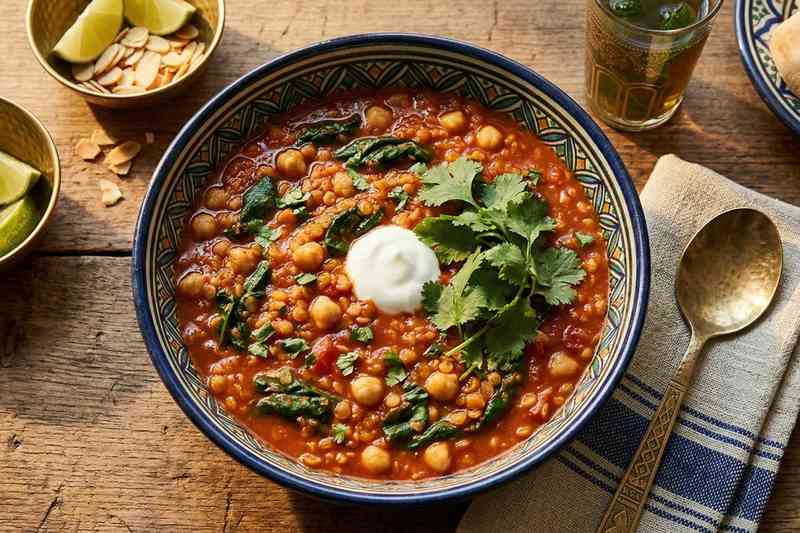
⏱️ Prep Time: 30 minutes | 👥 Servings: 4 📊 Calories: 285 per serving | 💪 Protein: 18g | ❄️ Stays Fresh: 5 days
This is my plant-based option. And the one that surprises people most.
Plant protein at high amounts, low calories — it’s possible, but you have to build deliberately. Lentils are where you start. One cup of cooked lentils has 18 grams of protein for about 230 calories. Add the right companions and the full stew hits 285 calories with a protein count that holds you through an afternoon.
I make this for the weeks when I want a break from animal protein. Three or four days of plant-based eating done properly. Not as a compromise — as a choice.
Ingredients:
- 300g red lentils, rinsed
- 1 can (400g) crushed tomatoes
- 1 large onion, diced
- 4 cloves garlic, minced
- 1 tablespoon fresh ginger, grated
- 1 teaspoon cumin
- 1 teaspoon coriander
- ½ teaspoon turmeric
- ½ teaspoon chili flakes
- 1 liter low-sodium vegetable broth
- 1 can (400g) chickpeas, drained
- 2 cups fresh spinach
- Juice of 1 lemon
- 1 teaspoon olive oil
- Fresh cilantro to finish
- Salt and black pepper
Instructions:
- Heat olive oil in a large pot over medium heat.
- Add onion. Cook 4 minutes until soft and translucent.
- Add garlic and ginger. Stir 1 minute.
- Add cumin, coriander, turmeric, and chili flakes. Stir 30 seconds until fragrant.
- Add rinsed lentils. Stir to coat with spices.
- Pour in crushed tomatoes and vegetable broth. Stir well.
- Bring to a boil. Reduce heat to medium-low. Simmer 20 minutes until lentils are completely soft.
- Add chickpeas. Simmer 5 more minutes.
- Add spinach. Stir until wilted.
- Squeeze lemon juice in. Taste and adjust seasoning.
- Serve with fresh cilantro. A small dollop of plain Greek yogurt on top adds 5 more grams of protein.
Why It Works:
Lentils and chickpeas together create a complete amino acid profile — the combination provides all nine essential amino acids your body needs. Research from the American Journal of Clinical Nutrition consistently shows that high-fiber plant proteins reduce hunger hormones significantly, sometimes more effectively than animal proteins in the hours after eating. Turmeric adds curcumin, a compound with well-documented anti-inflammatory properties. Total: 285 calories, 18 grams of protein per serving — lower than the meat-based recipes, but the fiber content extends satiety to match them.
Pro Tip: Make a big pot. This stew genuinely gets better on day two and three as the spices develop. I make it Sunday and eat it for lunch through Wednesday. The flavor on day three is noticeably richer than day one. Very few meals do this — most peak on the day they’re made.
Recipe 9: Salmon and Asparagus Sheet Pan
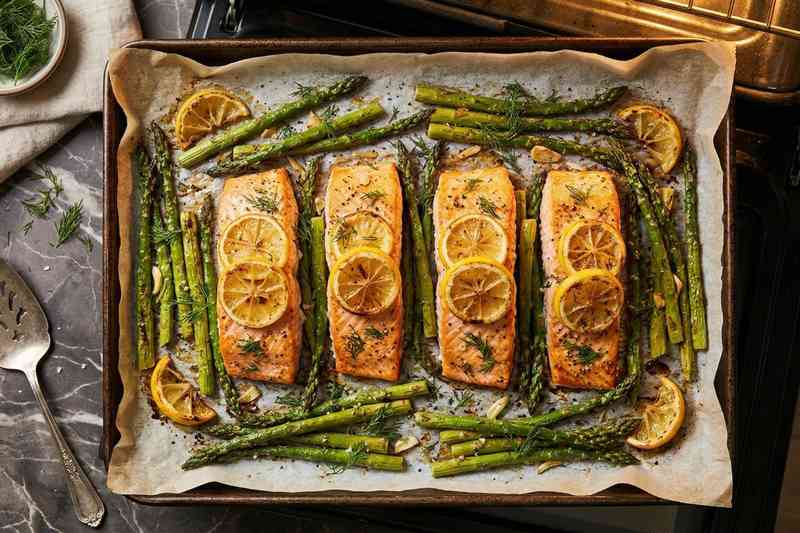
⏱️ Prep Time: 20 minutes | 👥 Servings: 2 📊 Calories: 380 per serving | 💪 Protein: 42g | ❄️ Stays Fresh: 2 days
Sheet pan meals are the most underrated format for healthy eating.
One pan. Everything in the oven. Twenty minutes. Clean up takes three minutes.
This one in particular — salmon and asparagus with lemon and garlic — is the kind of dinner that makes you feel like you’ve done something right. Looks elegant. Tastes restaurant-quality. And at 380 calories with 42 grams of protein, it’s one of the most nutritionally complete high protein low calorie meals you can make.
I make this on Thursday evenings when the week is almost done and I want dinner to feel like a reward.
Ingredients:
- 2 salmon fillets (150g each)
- 1 bunch asparagus, tough ends removed
- 3 cloves garlic, minced
- 1 lemon, sliced into rounds
- 1 tablespoon olive oil
- 1 teaspoon smoked paprika
- Salt, black pepper, and dried oregano
- Fresh dill to finish
Instructions:
- Preheat oven to 200°C (400°F). Line a baking tray with parchment paper.
- Arrange asparagus spears across one side of the tray.
- Place salmon fillets on the other side.
- Drizzle olive oil over everything. Season with salt, pepper, smoked paprika, and oregano.
- Scatter minced garlic over both salmon and asparagus.
- Lay lemon slices across the top of each salmon fillet.
- Roast 15-18 minutes. Salmon should flake easily with a fork. Asparagus should be tender with slight char.
- Finish with fresh dill.
- Serve directly from the tray.
Why It Works:
Salmon is one of the most nutritionally valuable proteins available. A 150g fillet delivers about 34 grams of protein plus omega-3 fatty acids that the American Heart Association recommends for heart health and reduced inflammation. Asparagus contributes folate, vitamin K, and fiber for minimal calories. The whole meal comes together on one pan with almost no active cooking time. Total: 380 calories, 42 grams of protein. Dinner that takes 20 minutes and feels like you cooked properly.
Pro Tip: Don’t overcrowd the pan. Salmon and asparagus release moisture when cooking. If they’re packed too tightly, they steam instead of roasting — pale and soft instead of golden and slightly caramelized. Give everything room to breathe. Use two trays if needed. The difference in texture is significant.
Recipe 10: High Protein Egg Muffins
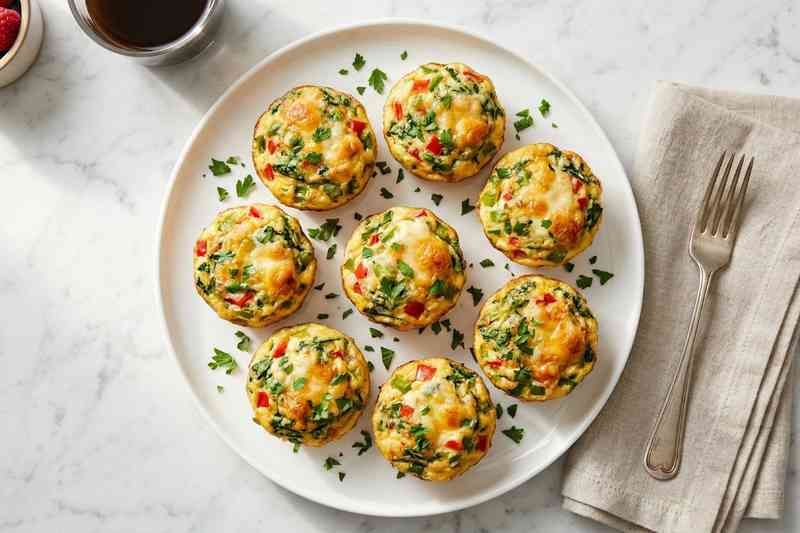
⏱️ Prep Time: 25 minutes | 👥 Servings: 3 (4 muffins each) 📊 Calories: 240 per serving | 💪 Protein: 26g | ❄️ Stays Fresh: 4 days
These changed my weekday mornings completely.
I used to spend 10 minutes every morning figuring out what to eat, making something, cleaning up. That’s 50 minutes a week on the same problem.
I make a batch of these on Sunday. Twelve muffins. Three servings of four. Four mornings handled. Grab from the fridge. Microwave 45 seconds. Done.
They taste like a proper breakfast. Eggs, vegetables, cheese, a little turkey. Everything in a portable muffin form that you can eat standing up if you’re running late.
For more make-ahead breakfast ideas that use the same time-saving approach, our healthy breakfast meal prep guide covers a full week of prep in under 45 minutes.
Ingredients:
- 8 large eggs
- 4 large egg whites
- 100g lean turkey breast, diced small
- ½ cup bell pepper, finely diced
- ½ cup spinach, finely chopped
- ¼ cup red onion, finely diced
- ¼ cup reduced-fat cheddar cheese, grated
- 2 tablespoons fresh parsley, chopped
- Salt, black pepper, and garlic powder
- Cooking spray for the muffin tin
Instructions:
- Preheat oven to 180°C (350°F). Spray a 12-cup muffin tin generously with cooking spray.
- In a large bowl, whisk eggs and egg whites together. Season with salt, pepper, and garlic powder.
- Stir in diced turkey, bell pepper, spinach, red onion, and parsley.
- Pour mixture evenly into 12 muffin cups — fill each about ¾ full.
- Top each muffin with a small pinch of grated cheddar.
- Bake 18-20 minutes until set in the center and lightly golden on top.
- Cool in tin 5 minutes before removing.
- Refrigerate in an airtight container up to 4 days.
- Reheat in microwave 45 seconds per serving of 4 muffins.
Why It Works:
Whole eggs and egg whites together give you complete protein with fewer calories than whole eggs alone — 8 whole eggs plus 4 whites delivers about 54 grams of protein for the batch. Turkey adds lean protein and keeps the muffins satisfying rather than just filling. Cheese adds calcium and fat that makes each muffin feel substantial. The vegetables add fiber, vitamins, and volume for almost no caloric cost. Total per serving of 4 muffins: 240 calories, 26 grams of protein. Four mornings sorted in 25 minutes of Sunday cooking.
Pro Tip: Spray the muffin tin very generously. And then spray it again. Egg muffins stick aggressively to anything less than a very well-greased surface. The first batch I made — I used “just enough” spray and destroyed half of them getting them out. Now I spray, wait 30 seconds, and spray again. Every single muffin comes out clean.
Why High Protein Low Calorie Actually Works
My friend’s explanation was simple. Mine took longer to understand.
Here’s the full picture.
Protein takes more calories to digest than anything else. This is called the thermic effect of food. Your body burns roughly 25 to 30% of protein calories just processing them — compared to 6 to 8% for carbohydrates and 2 to 3% for fat. A 400-calorie high-protein meal effectively costs your body closer to 300 net calories. That gap matters over weeks and months.
Protein suppresses hunger hormones directly. Eating protein reduces ghrelin — the hormone that makes you feel hungry — more powerfully than carbohydrates or fat. Research published in the American Journal of Clinical Nutrition found that increasing protein intake to 30% of daily calories reduced overall calorie consumption by an average of 441 calories per day — without any deliberate restriction. You just stopped feeling as hungry.
Volume eating extends fullness without extending calories. The recipes on this list are built around high-volume, low-calorie ingredients. Zucchini. Cauliflower. Spinach. Broth. Bell peppers. These fill physical space in your stomach and trigger stretch receptors that tell your brain you’re full — at a fraction of the calories that dense foods would require.
The combination is what creates results. High protein plus high volume plus low calorie density equals a plan you can sustain. Not because it requires willpower. Because you’re genuinely not hungry. For a complete high-protein approach to weight management, our high protein meal prep for weight loss shows exactly how to extend this to lunch and dinner throughout the week.
3-Day High Protein Low Calorie Meal Prep
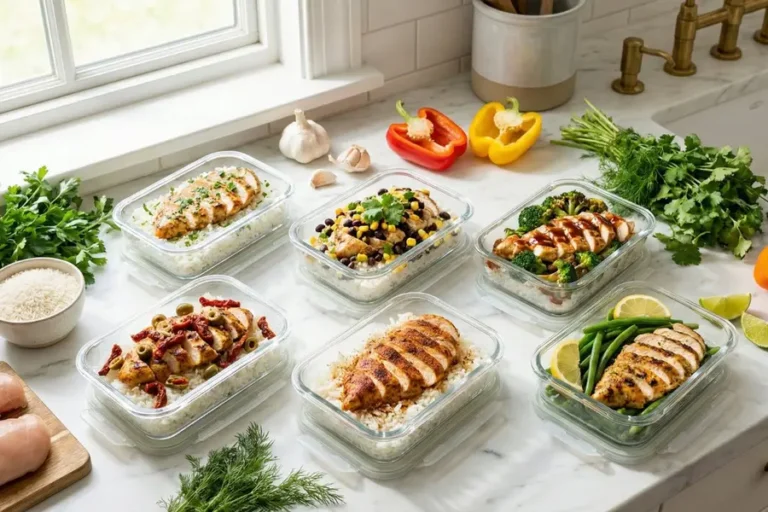
Sunday prep. Three days of meals handled. Decision fatigue eliminated.
What to prep Sunday (45 minutes total):
Make a batch of 12 Egg Muffins — 25 minutes in the oven. Three breakfasts sorted.
While muffins bake, make a big pot of Chicken and Spinach Soup — 25 minutes on the stove. Three lunches sorted.
Make Greek Yogurt Chicken Salad using rotisserie chicken — 10 minutes. Three more lunches or dinners.
Portion everything into containers immediately while still warm.
Day 1: Breakfast — 4 Egg Muffins (240 cal / 26g protein) Lunch — Chicken and Spinach Soup (260 cal / 38g protein) Dinner — Salmon and Asparagus Sheet Pan (380 cal / 42g protein) Daily total: ~880 calories / ~106g protein
Day 2: Breakfast — 4 Egg Muffins (240 cal / 26g protein) Lunch — Greek Yogurt Chicken Salad (275 cal / 40g protein) Dinner — Turkey and Zucchini Skillet (310 cal / 35g protein) Daily total: ~825 calories / ~101g protein
Day 3: Breakfast — Cottage Cheese Power Bowl (290 cal / 34g protein) Lunch — Chicken and Spinach Soup (260 cal / 38g protein) Dinner — Tuna Stuffed Bell Peppers (245 cal / 30g protein) Daily total: ~795 calories / ~102g protein
These are meal calories only — add snacks, fruit, and drinks to reach your full daily target.
For a complete 5-day meal prep plan with full shopping lists, our high protein low calorie meal prep guide extends this approach across the full week.
Common Mistakes I Made (So You Don’t Have To)
Eating too little, not too smart. My old approach — tiny portions, constant hunger, white-knuckling through every meal. It doesn’t work long term because hunger always wins eventually. The fix is not eating less. It’s eating foods that make you full on fewer calories. Every recipe on this list is designed for that.
Avoiding fat entirely. I went through a phase where I cut almost all fat from my diet. The meals tasted terrible. I was hungry constantly. Healthy fats from salmon, eggs, olive oil, and nuts are essential — they make food satisfying and help your body absorb fat-soluble vitamins. The goal is low calorie, not zero fat.
Ignoring volume. 200 calories of crackers and 200 calories of chicken and vegetable soup are not the same eating experience. The soup fills your stomach. The crackers disappear in four bites. Build every meal around high-volume ingredients — vegetables, broth, fiber-rich foods — and the calorie numbers become easier to work with.
Skipping meal prep. The biggest predictor of whether I eat well on a given day is whether there’s already good food in my fridge. When there isn’t, I make bad choices — not because I lack discipline, but because I’m tired and hungry and the easy option is rarely the healthy one. Thirty to forty-five minutes on Sunday changes the entire week.
Only tracking calories, not protein. Calories matter. But protein is what determines whether you’re hungry at the end of the day or satisfied. I spent months tracking calories carefully and feeling miserable. When I started tracking protein alongside calories, everything changed. Aim for at least 25 to 30 grams of protein per meal. The hunger takes care of itself.
FAQ
How much protein do I actually need per day?
Most research suggests 1.6 to 2.2 grams of protein per kilogram of body weight for people trying to lose fat while preserving muscle. For a 65kg person, that’s roughly 100 to 140 grams per day. The meals on this list average 30 to 40 grams per serving — three meals puts you comfortably in range.
Can I eat these meals every day?
Yes — with variety. Rotate through the list rather than eating the same meal repeatedly. Nutritional variety ensures you get a full range of micronutrients, and flavor variety keeps you from getting bored. Boredom is the biggest threat to any sustainable eating plan.
Will I feel hungry on these meals?
Not in the way you expect. The combination of high protein and high volume creates genuine satiety that calorie restriction alone never does. Most people are surprised at how full they feel on 250 to 380 calories when the meal is built correctly.
Are these recipes good for muscle building too?
Yes. The protein counts — 25 to 42 grams per meal — are in the range that supports muscle protein synthesis. Combined with resistance training, these meals support both fat loss and muscle maintenance simultaneously. Our high protein meal prep for weight loss covers how to structure the full day around these goals.
What’s the easiest recipe to start with?
Egg Muffins for breakfast — make them Sunday, eat them four mornings. Or the Greek Yogurt Chicken Salad using rotisserie chicken — 10 minutes assembly, three days of lunches. Both require minimal cooking skill and deliver immediate results.
Conclusion
My friend’s words stayed with me.
“You’re eating less. You’re not eating right.”
It took me a while to really understand what she meant. Eating right means building meals that satisfy you on fewer calories — not meals that leave you hungry and counting minutes until the next one.
These 10 high protein low calorie meals are what eating right looks like in practice. Real food. Proper portions. Protein counts that actually keep you full.
Some take 10 minutes. Some take 30. All of them keep you satisfied for hours on under 400 calories.
Start Sunday. Make the Egg Muffins. Make a pot of Chicken Soup. Put them in the fridge.
Monday through Wednesday — breakfast and lunch are already done. The decisions are already made.
That’s the part nobody talks about. Sustainable weight loss isn’t about willpower at 7pm when you’re tired and hungry. It’s about having the right food ready before that moment arrives.
Prep Sunday. Eat right. Stop fighting hunger.
Which of these high protein low calorie meals are you trying first? Tell me in the comments — I read every single one.